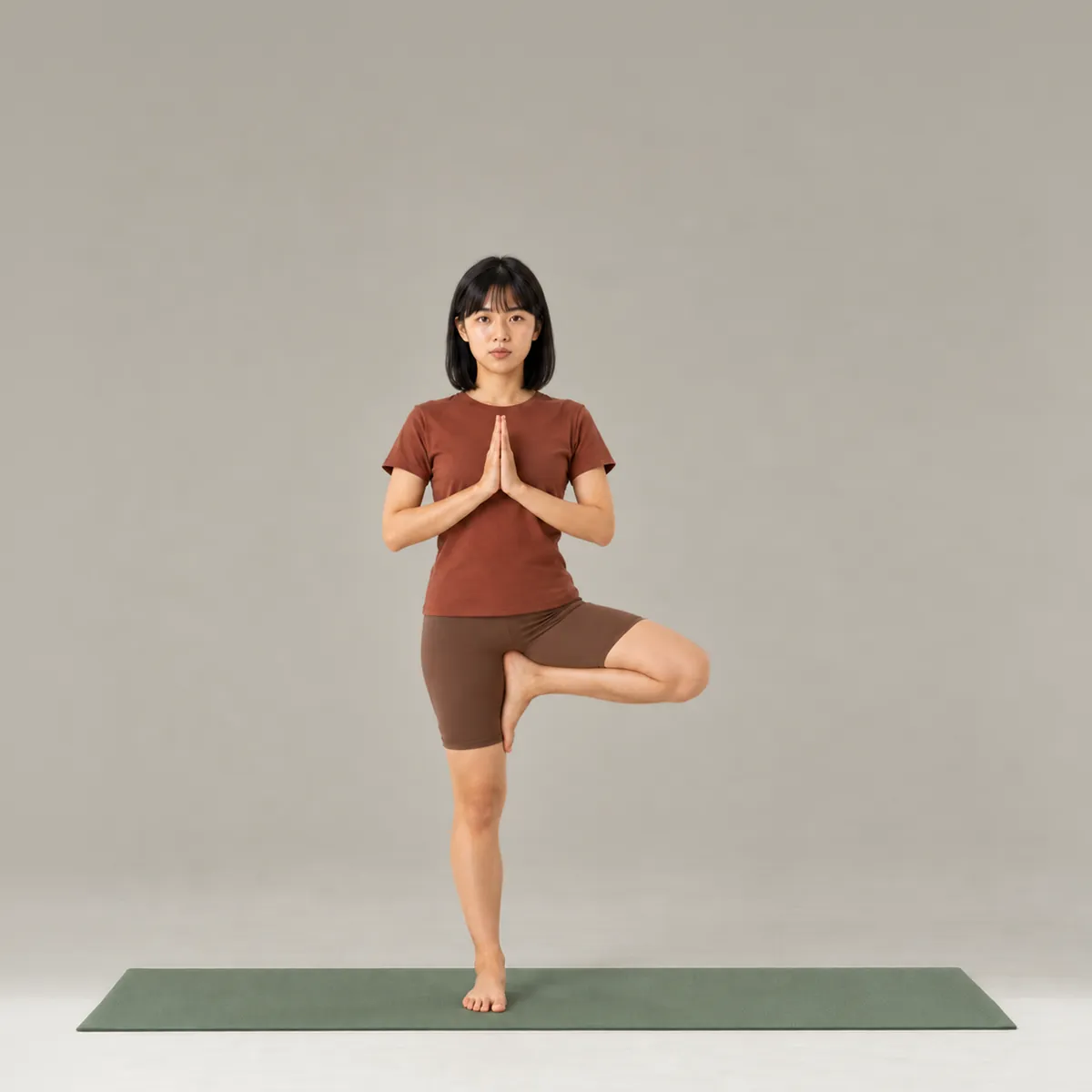
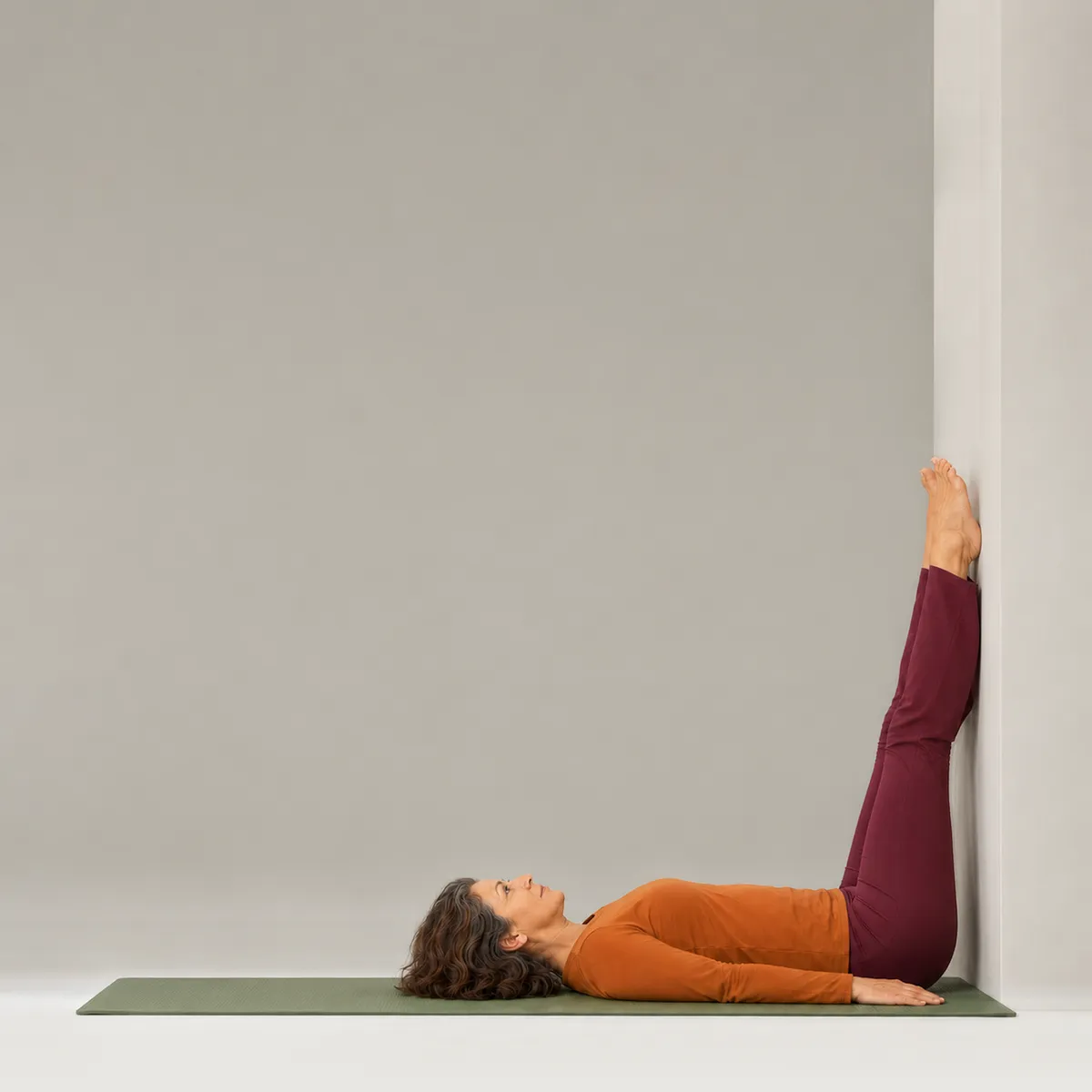
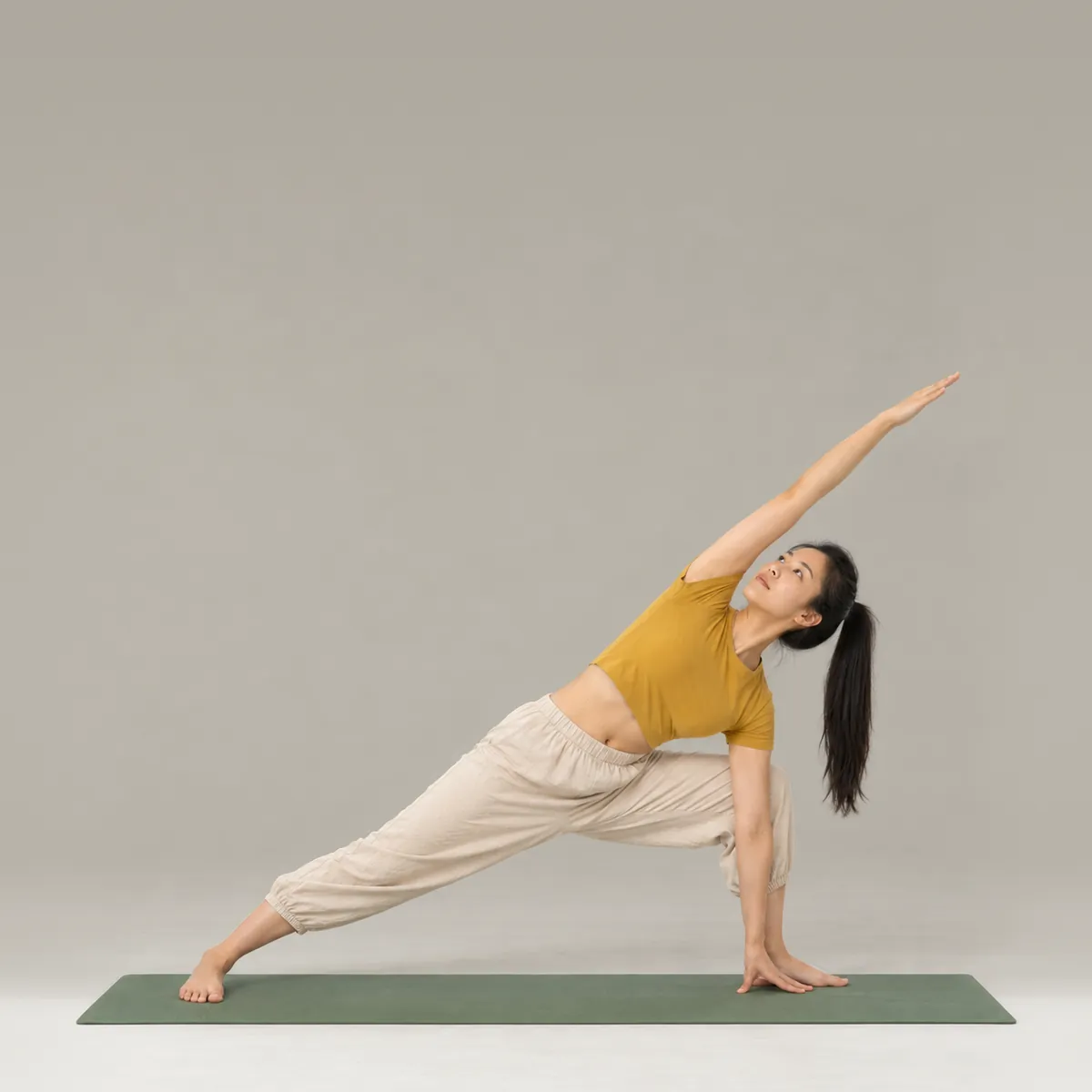
Open any studio schedule or yoga app and you will find a list of names: hatha, vinyasa, yin, restorative, power, Iyengar, Ashtanga, hot. For a beginner, it can feel like you need to understand the whole tradition before you are allowed to start. You do not. Most styles share the same poses. What changes is the pace, the length of the holds, the amount of effort, and what the teacher pays attention to.
Here is a plain guide to the styles you are most likely to see, what a session tends to feel like, and how to choose based on what you want from practice right now.
Hatha: the steady foundation
Hatha is the umbrella term for physical yoga, but on a class schedule it usually means a slower session where you come into a pose, hold it for several breaths, and come out before moving to the next one. There is time to set up your feet, find your alignment, and notice what the pose feels like.
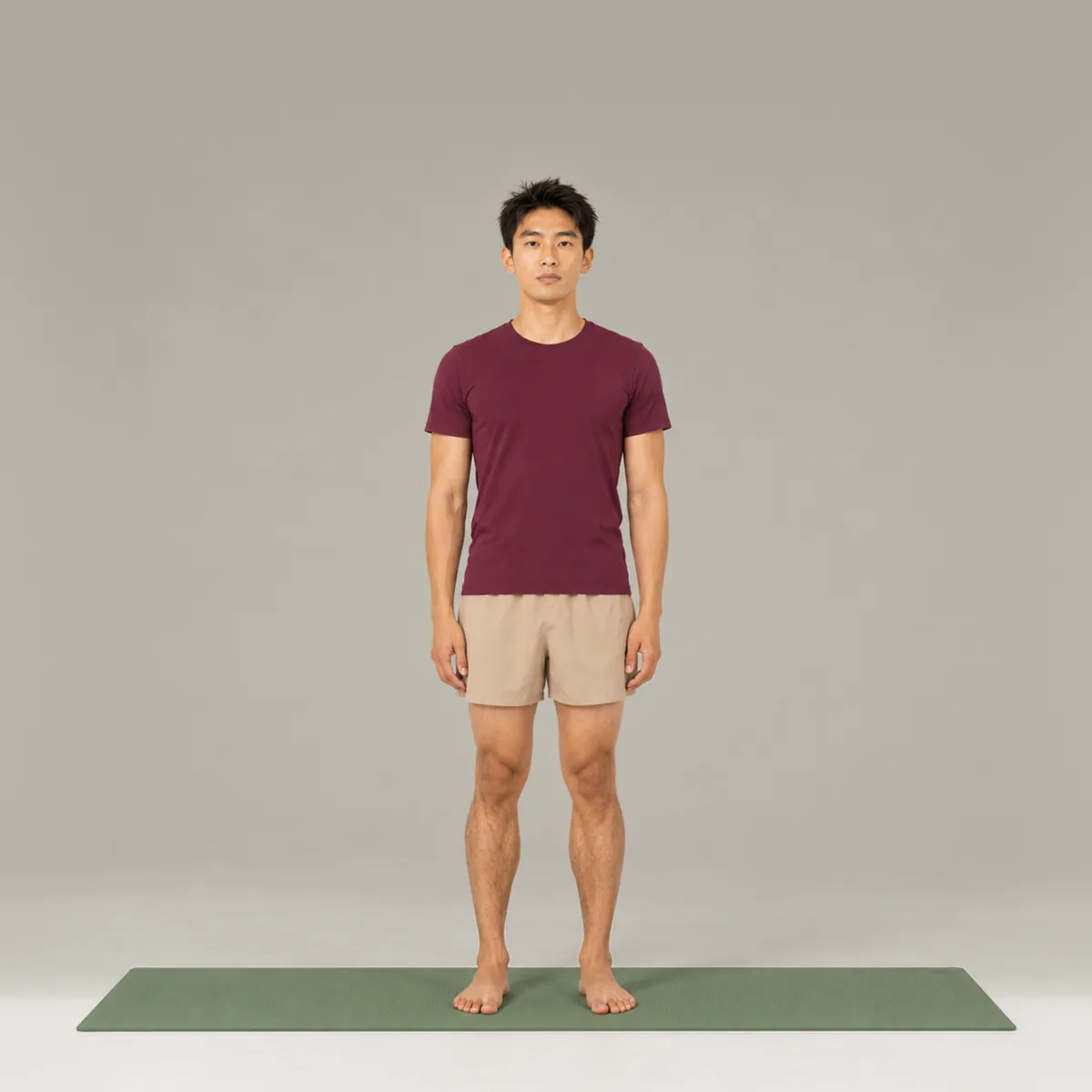
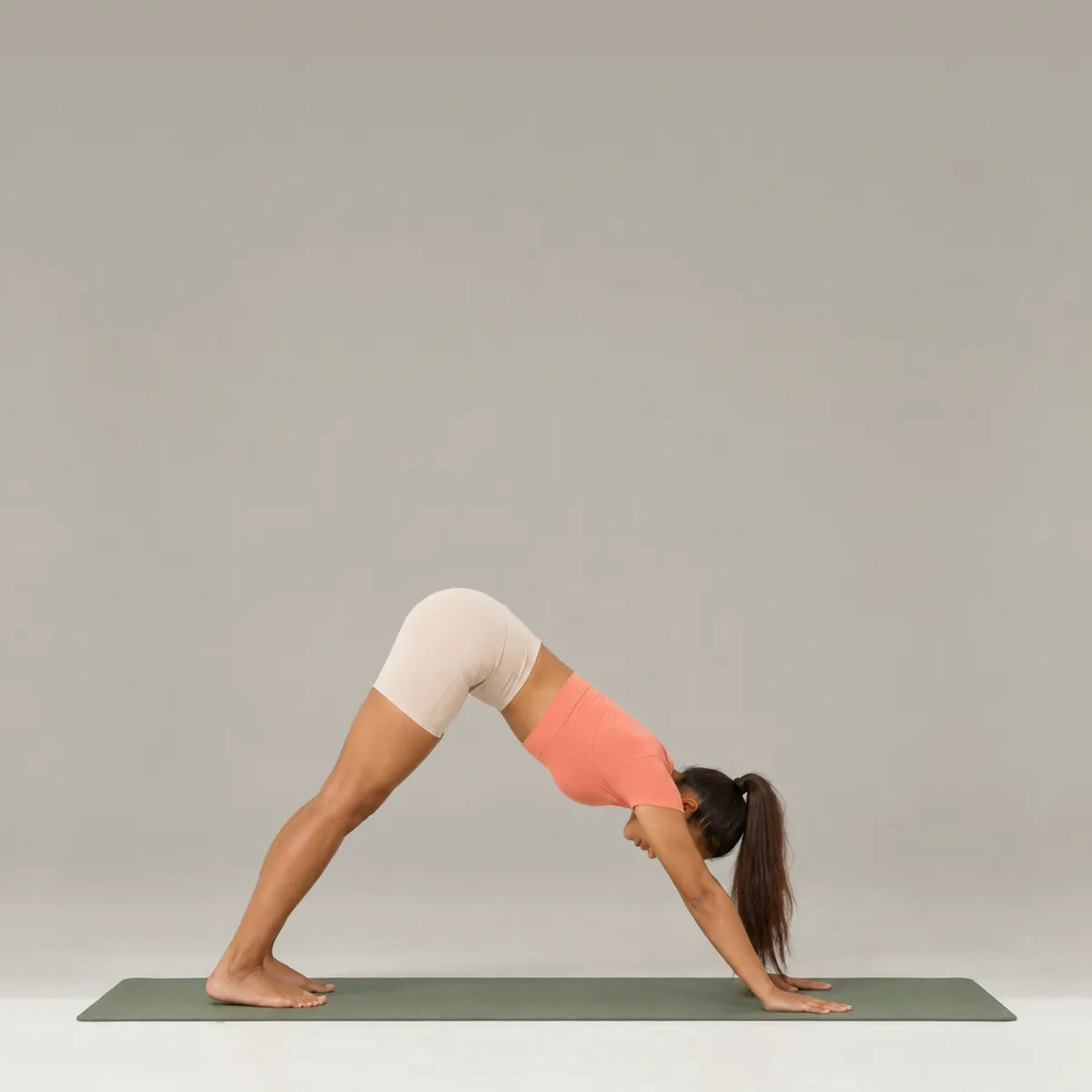
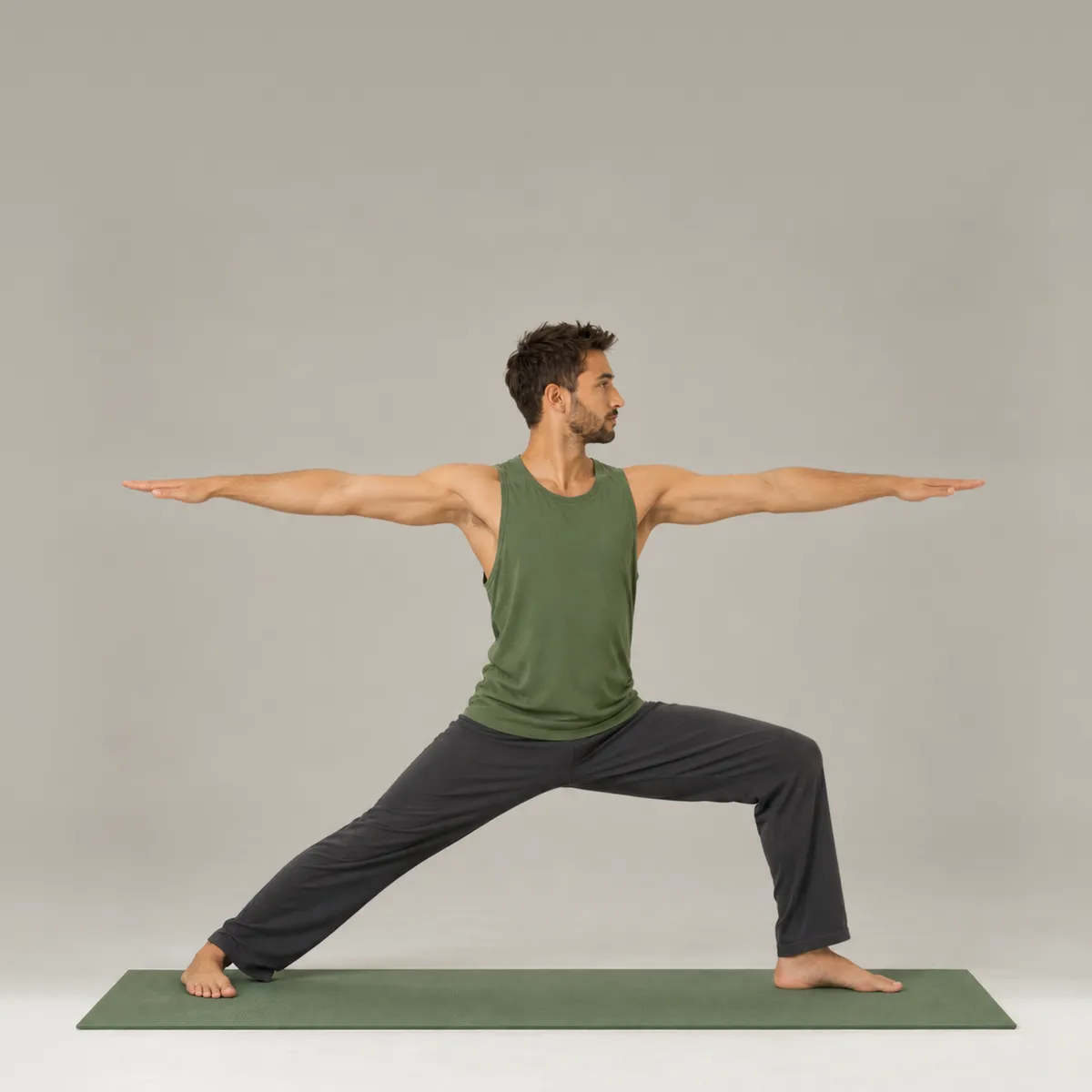
That pace makes hatha a natural starting point. Poses like mountain, warrior two, and downward dog get enough time to be learned rather than rushed. Classes vary a lot by teacher, so one hatha session might be gentle and the next fairly strong.
Vinyasa: movement linked to breath
Vinyasa, sometimes called flow, links poses together with the breath, often one movement per inhale or exhale. A sun salutation is the classic example. Sessions feel more continuous and usually raise the heart rate more than hatha.
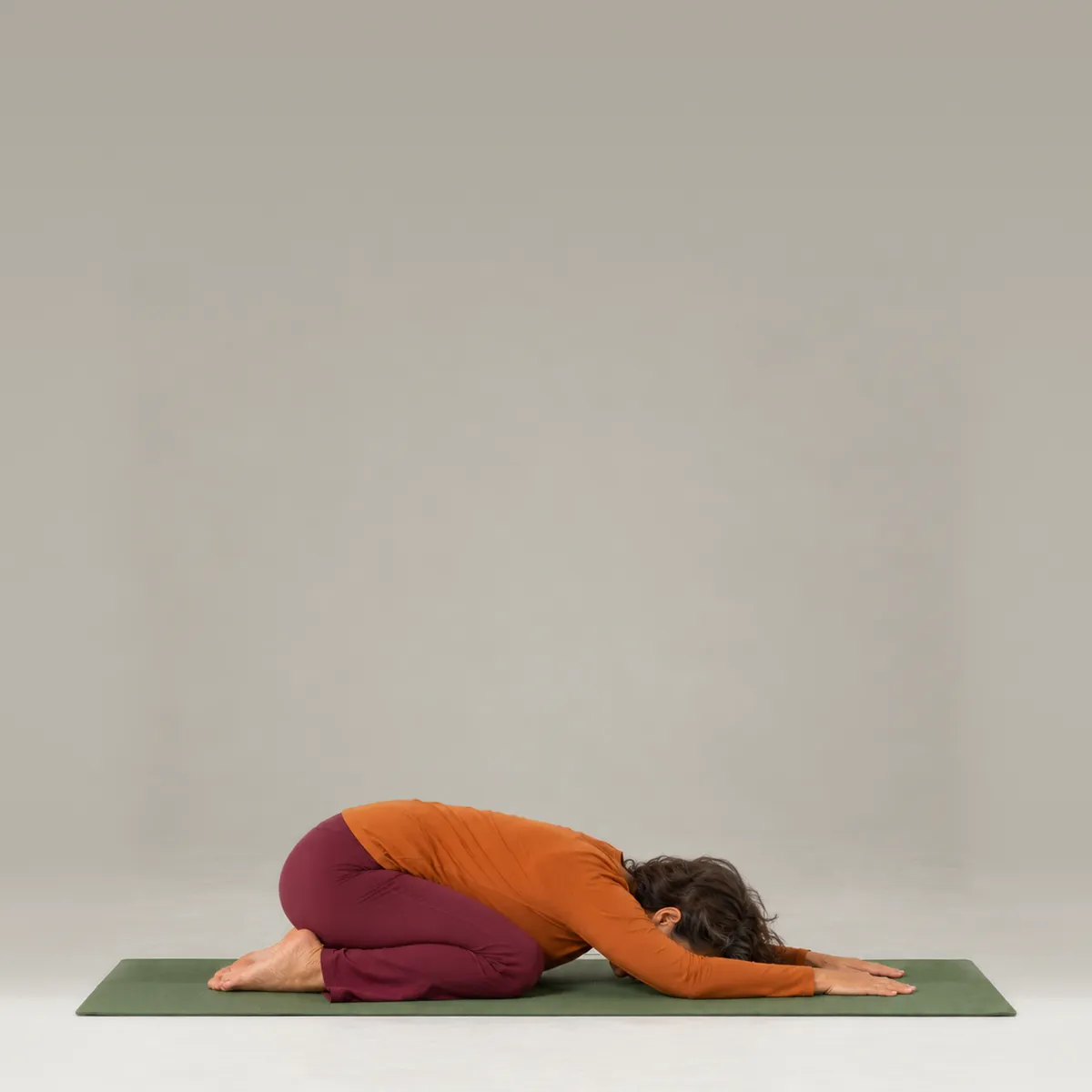
The flow is appealing, but speed makes form harder to learn. Transitions like stepping forward from down dog or lowering through chaturanga happen quickly, and small habits, good or bad, get repeated many times. If you start with vinyasa, choose classes marked beginner or slow flow, and rest in child's pose whenever you need to.
Yin and restorative: long holds, low effort
Yin yoga holds mostly seated and lying poses for several minutes at a time, with the muscles relatively relaxed. The sensation can be surprisingly strong even though you are barely moving. Restorative yoga goes further toward rest, using cushions, blankets, and bolsters so the body is fully supported. The aim is to relax rather than to stretch.
Both are a useful counterweight to busy days or hard training. They are less helpful for learning standing poses or building strength, so most people enjoy them alongside a more active style rather than instead of one.
Power, Ashtanga, Iyengar, and hot yoga
- Power yoga: a strong, athletic take on vinyasa with more strength work and fewer rests. Better once you know the basic poses.
- Ashtanga: a set sequence practiced in the same order every time, at a steady and demanding pace. The repetition suits people who like structure.
- Iyengar: precise alignment, longer holds, and plenty of props such as blocks, straps, and chairs. Often a good fit for beginners and for people working around stiffness.
- Hot yoga: classes in a heated room, often following a set sequence. The heat adds intensity and is not for everyone. If you are pregnant or have a heart or other medical condition, check with a doctor before trying it.
If you keep seeing pilates listed next to yoga, this comparison explains how the two differ and how they fit together.
How to choose your first style
Start with what you want from practice, not with what sounds most impressive. A rough guide:
- You want to learn the poses properly: hatha or Iyengar-style classes.
- You want to move and break a light sweat: a slow or beginner vinyasa flow.
- You want to unwind or ease stiffness: yin or restorative.
- You already train hard and want a challenge: power or Ashtanga, once the basics feel familiar.
None of these choices is permanent. Many people start with slower classes for a few months, then mix in flowing sessions as the poses become familiar. A week with two steady sessions and one gentle one is a perfectly good practice.
Practicing at home instead of in a class
At home, style names matter less than the pace you choose. A slower session with longer holds helps you learn. A flowing session builds warmth and rhythm. A few minutes of floor poses at the end of the day helps you wind down. The free routines cover all three, from a sun salutation for beginners to a 15-minute practice before bed.
The one thing a home practice lacks is a teacher noticing your form. That matters most in the faster styles, where there is little time to check. If you are starting alone, slower is safer, and the beginner form guide covers the habits worth building first.
Where Kova helps
You do not need to pick a style before you start with Kova. It asks about your experience and goals, lays out a path of seven stages that blends yoga and pilates, and designs each class for that day. On-device pose tracking reads your alignment while you hold a pose and gives calm spoken cues, so a slower practice can also be a well-coached one. Your camera feed never leaves your device.
The right style is the one that makes you want to come back to the mat.
Link to or cite this note
<a href="https://www.flowwithkova.com/blog/types-of-yoga">Hatha, vinyasa, yin: which type of yoga should a beginner try?</a> (Kova journal)