Pilates · Core, Shoulders
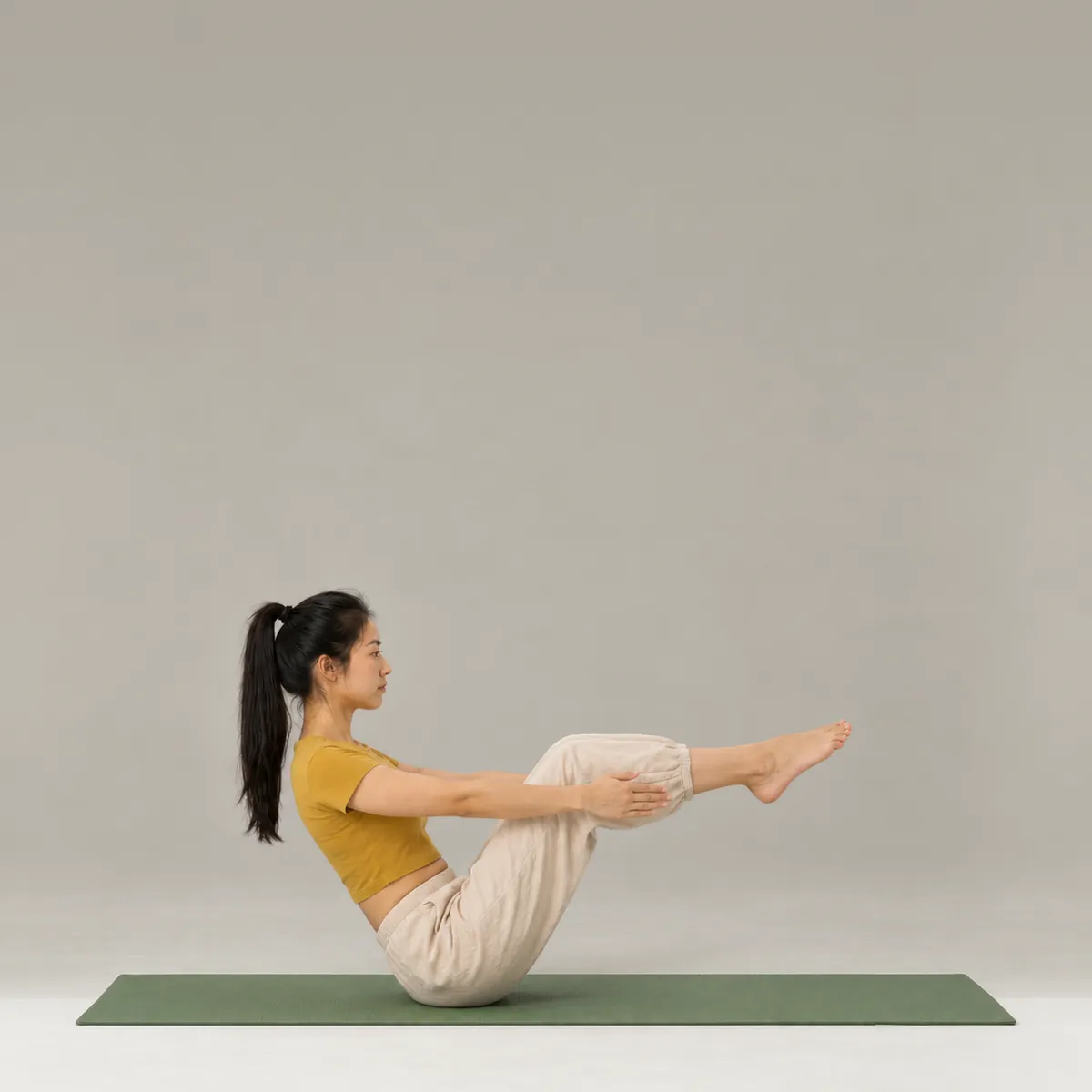
The hundred
- Chin nods with space for a small fist under it.
- Gaze rests on the thighs or knees.
- Lower back stays steady on the mat.
Make it easier: Keep your feet on the mat with your knees bent instead of lifting the legs.
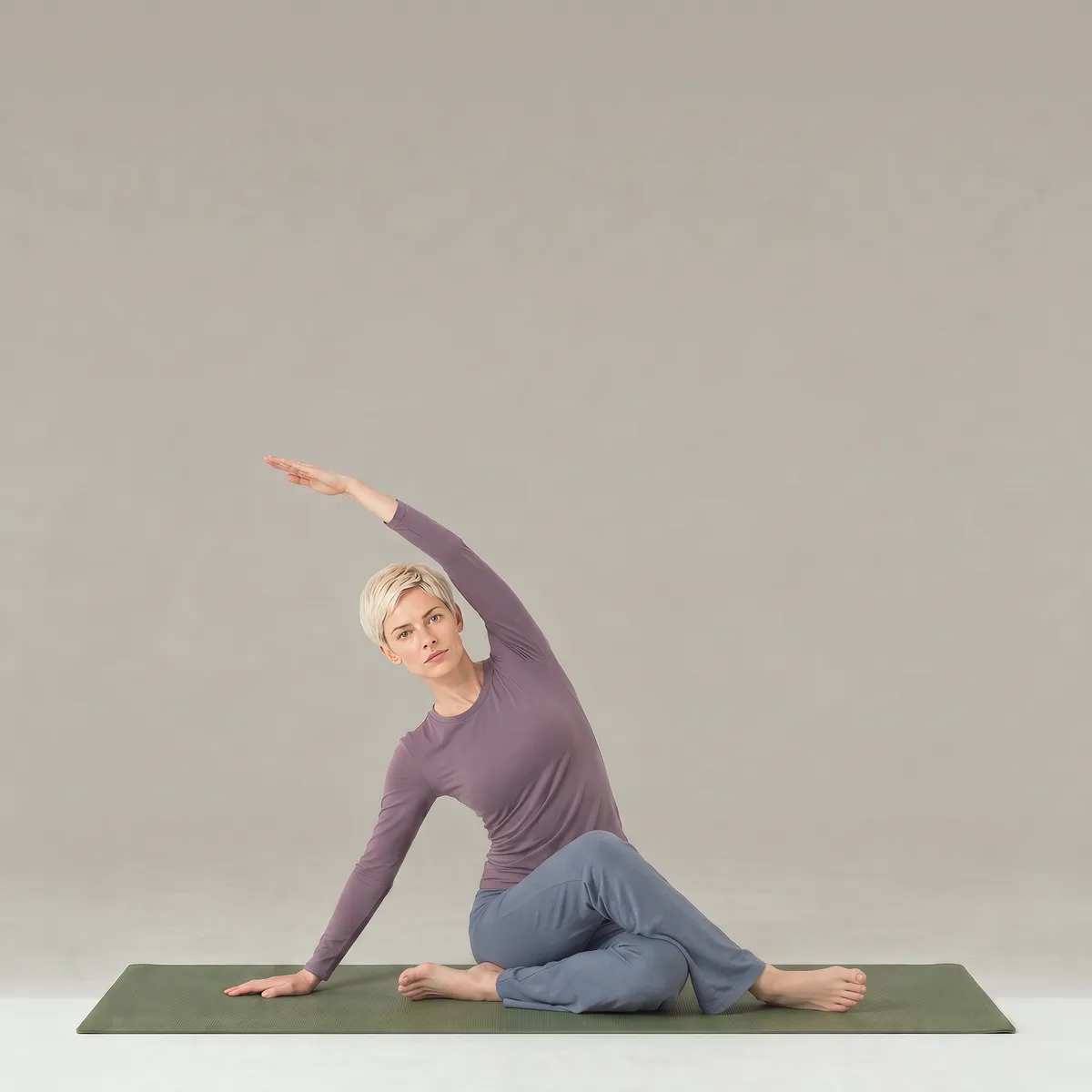
Pilates looks simple from the outside. The difference between doing it well and going through the motions is in small details, and the first weeks are for learning them.
Pilates rewards precision over speed. Kova starts beginners with breathing, a neutral pelvis, and controlled core work before building toward longer sequences.
Exhale as you work, inhale as you return. Holding the breath is the most common beginner mistake, and the one that makes everything harder.
Lying on your back, gently rock your pelvis to flatten and then arch your lower back. Neutral sits between the two, and most exercises start there.
Move with control on the way out and on the way back. Five slow reps teach your body more than twenty fast ones.
Start with these six
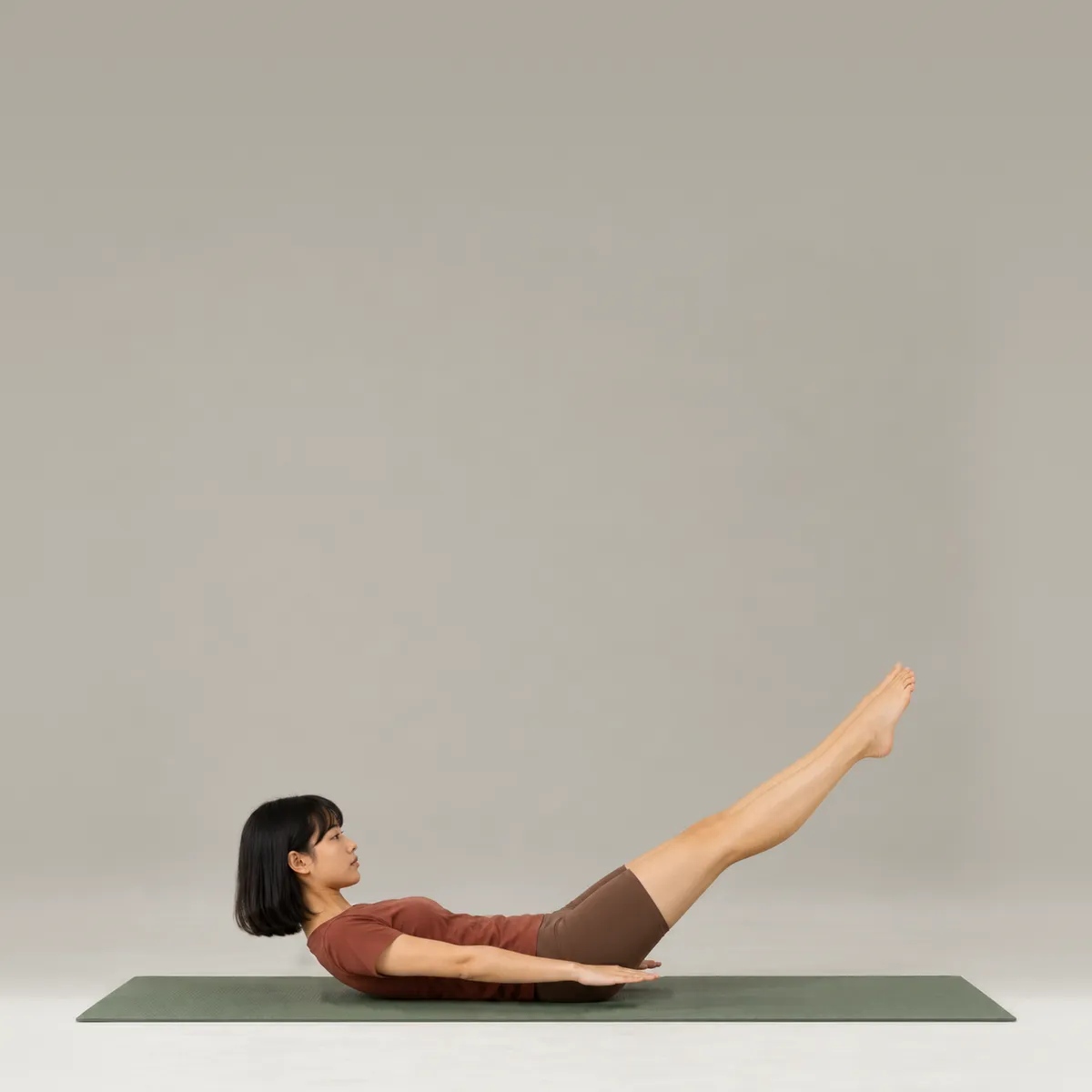
Pilates · Core, Shoulders
Make it easier: Keep your feet on the mat with your knees bent instead of lifting the legs.
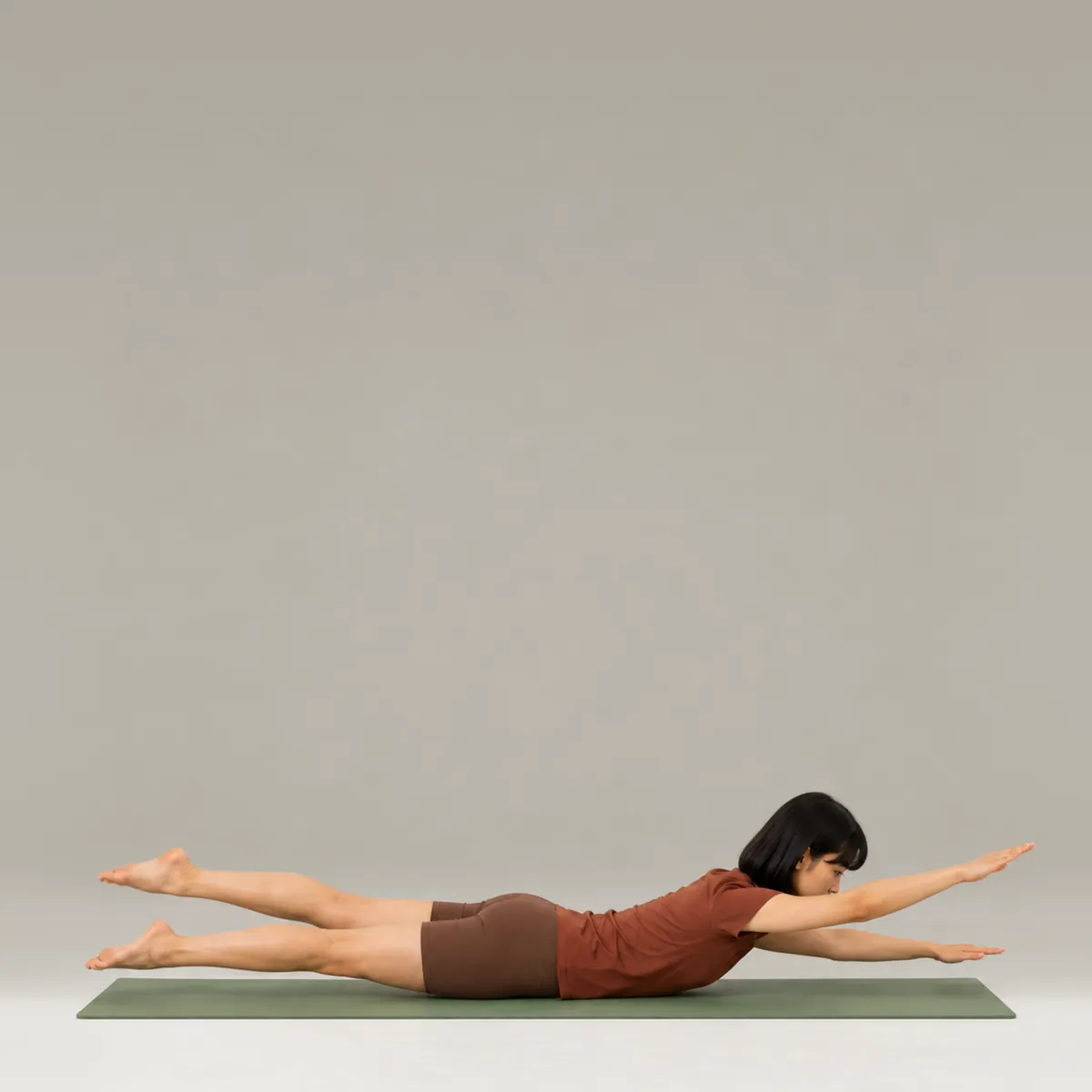
Pilates · Back, Glutes
Make it easier: Move only the arms or only the legs at first.
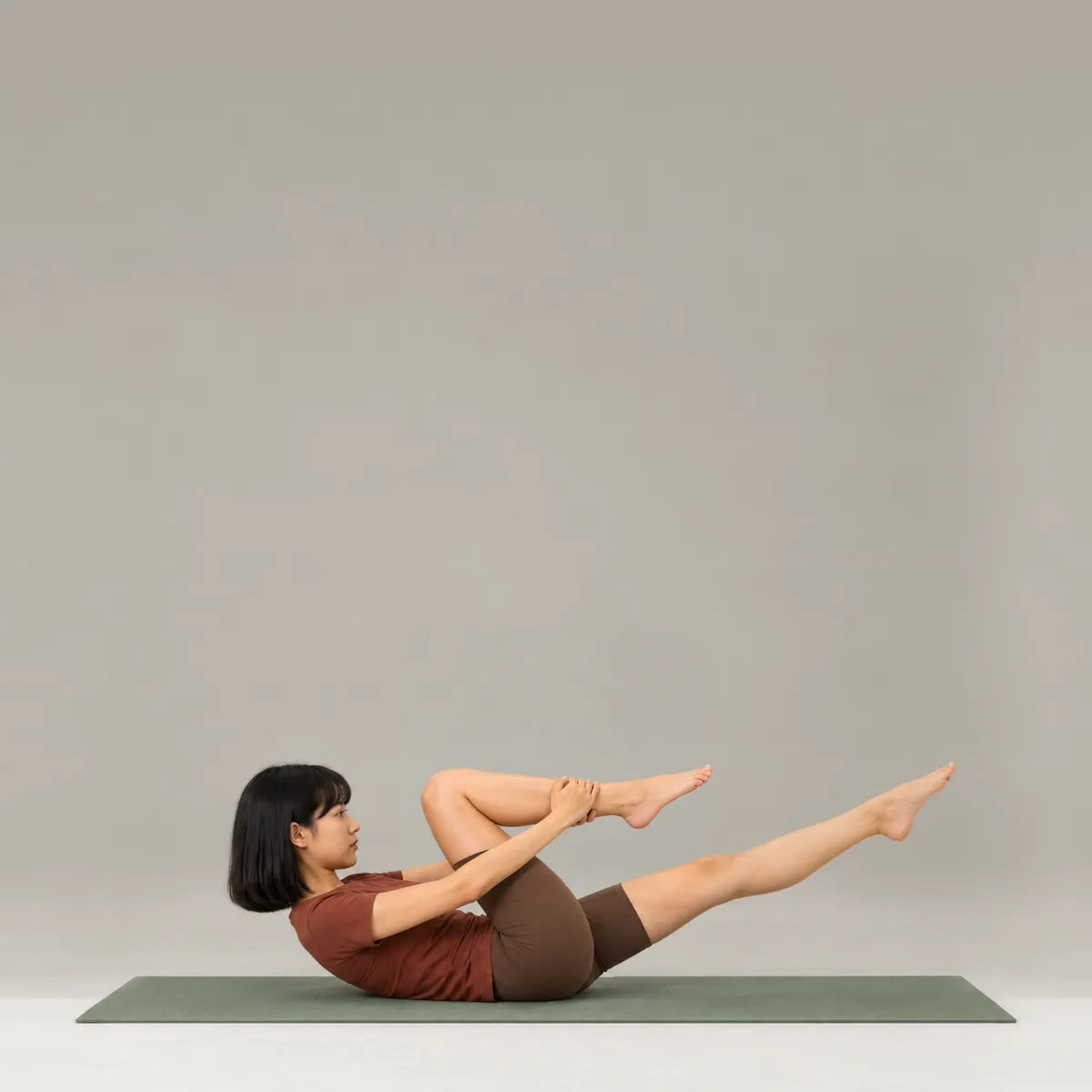
Pilates · Core, Hips
Make it easier: Keep your head down on the mat if your neck tires.
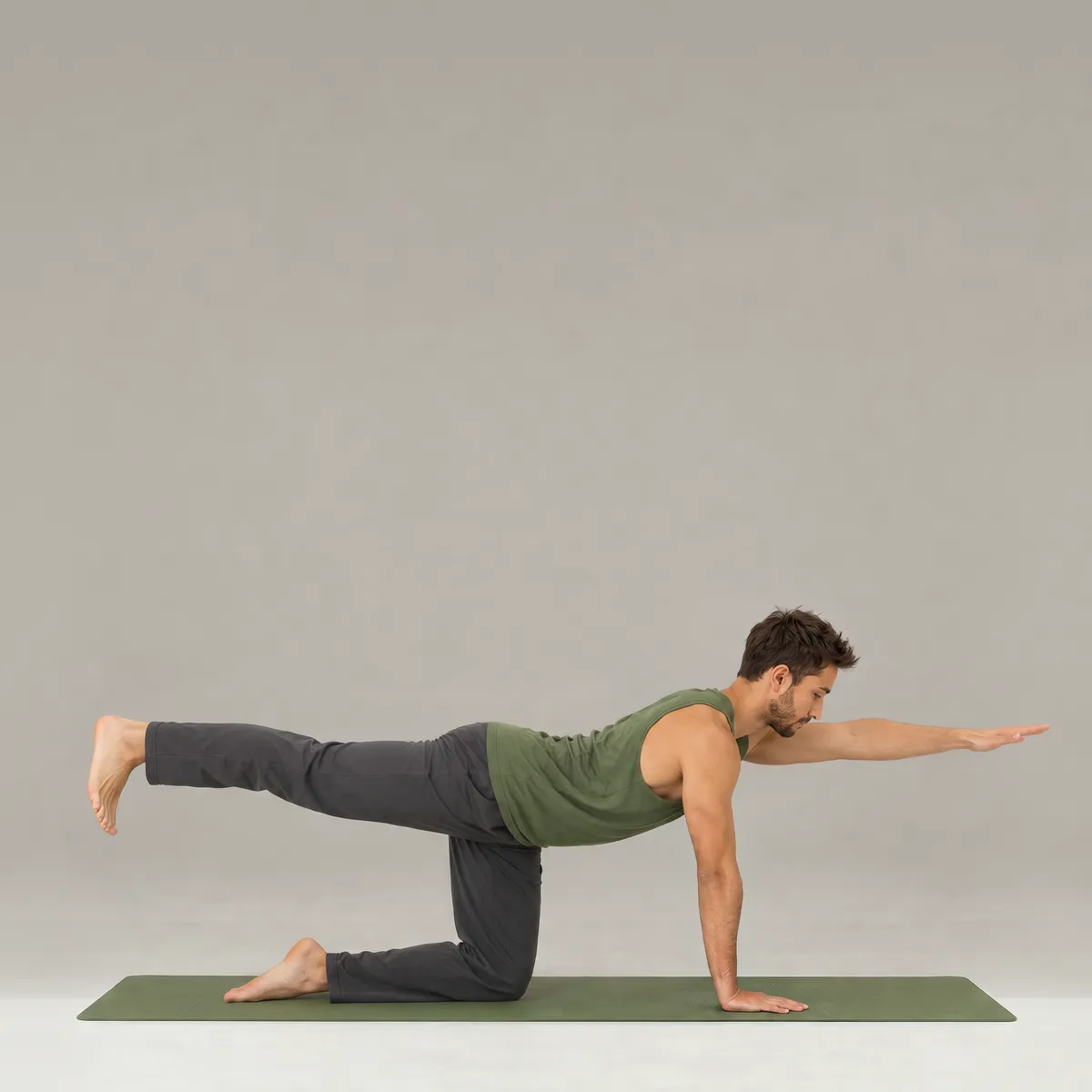
Pilates · Core, Back
Make it easier: Move only the leg, keeping both hands on the mat.
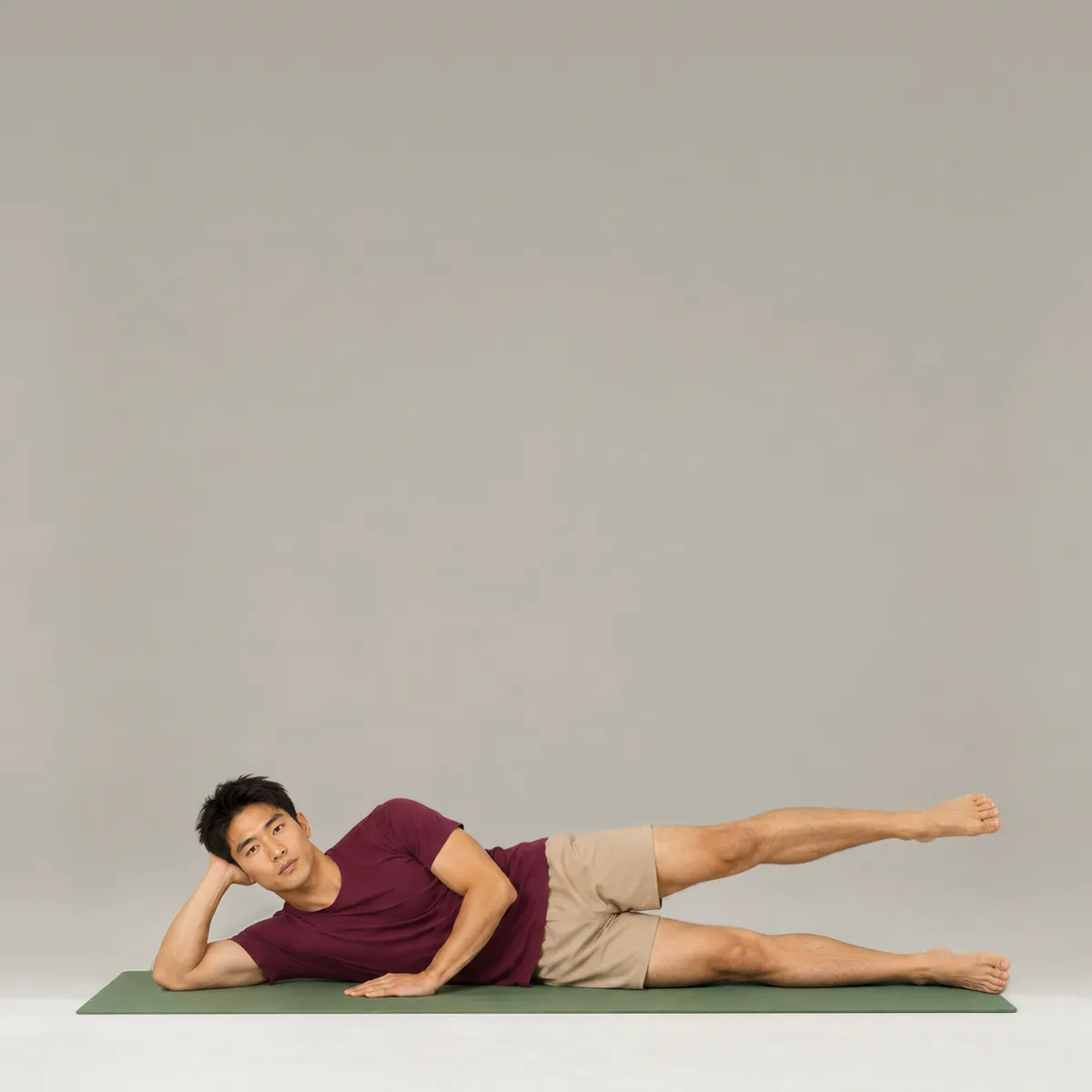
Pilates · Hips, Glutes
Make it easier: Bend your bottom knee for a wider, steadier base.
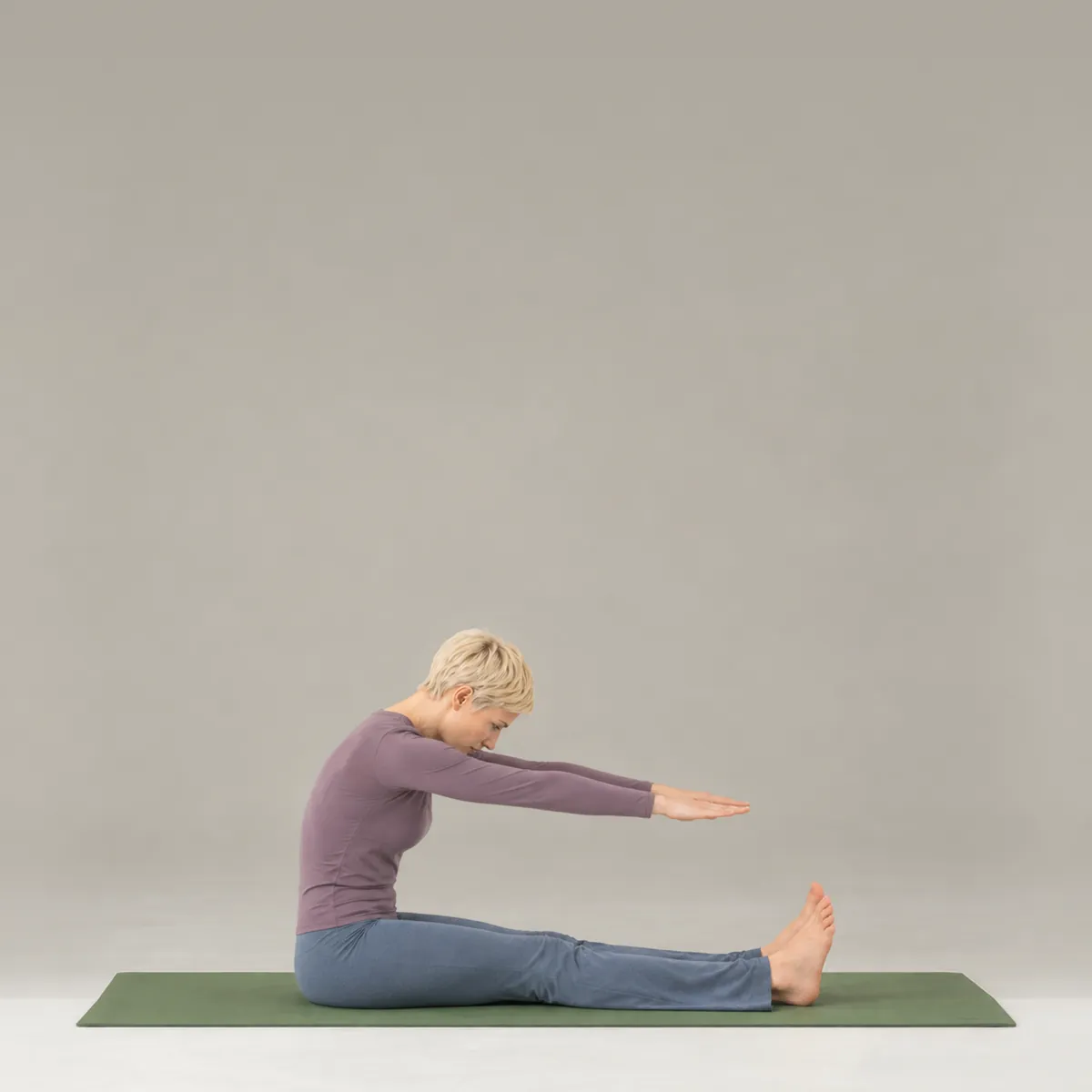
Pilates · Spine, Back
Make it easier: Bend your knees and rest your feet flat on the mat.
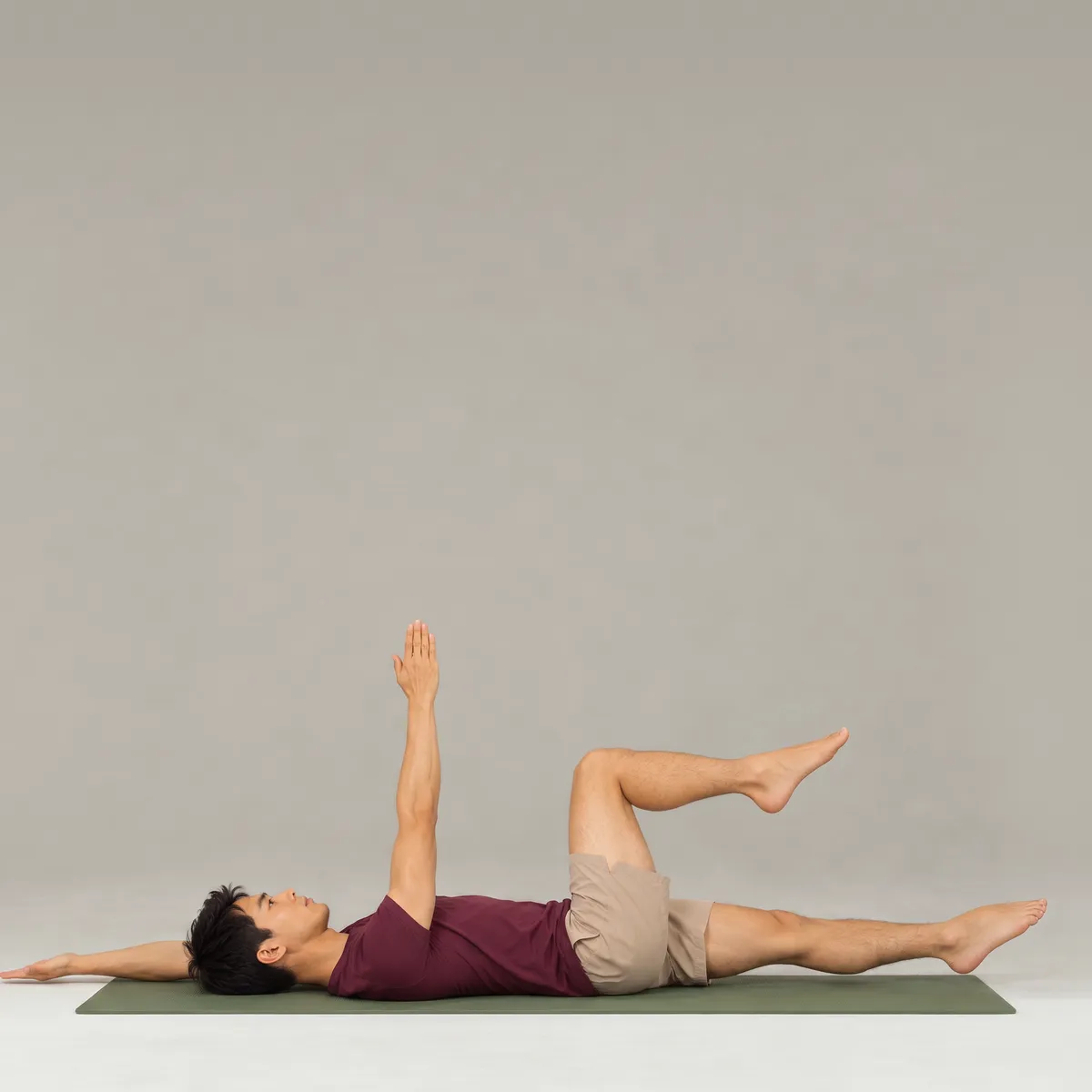
Shorten the range. Keep your lower back on the mat.
It is hard to feel whether your lower back is lifting or your ribs are flaring. Kova watches your form on device and gives one calm cue at a time, so the work stays in your core. In dead bug, for example, the lower back often lifts as the leg lowers. It is a tiny change, and it moves the work from your deep core into your back.
An example, not a prescription. Kova lays out your own path of seven stages toward up to three goals you pick, and designs each class for that day around what you completed and how it felt.
Day 1
Day 2
A day off lets the work settle. A short walk is plenty.
Day 3
A gentle yoga session to balance the core work and loosen the spine and hips.
Day 4
The hundred with your head down, single leg stretch, bird dog, and side kick. About a minute each, resting as needed.
Day 5
Notice how you sit and stand today. The control you are building shows up off the mat too.
Day 6
The 15-minute pilates core workout, using every modification you need. Rest your head during the abdominal series if your neck tires.
Day 7
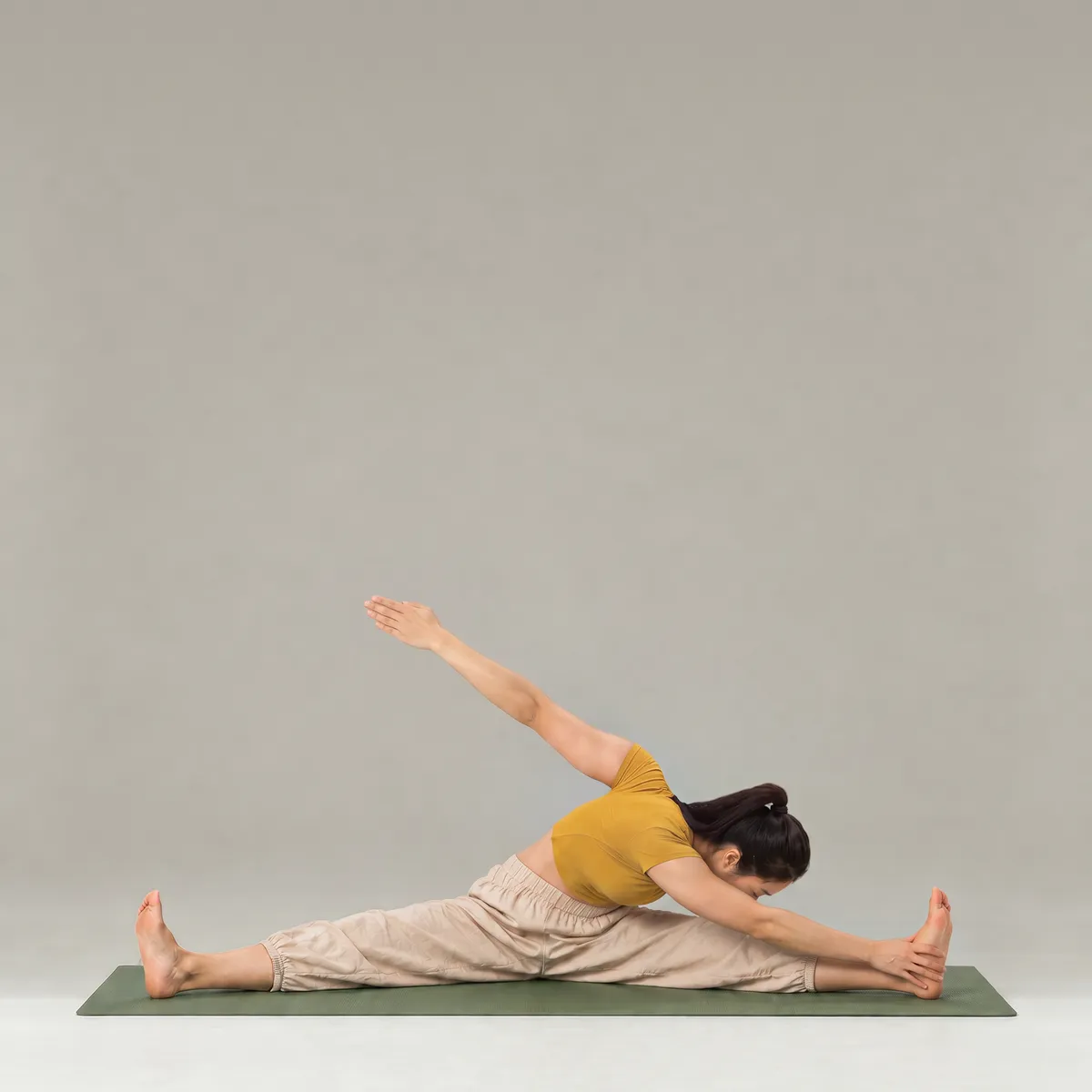
Done on the floor with your own body weight. It needs a mat and room to lie down, fits in a small room, and is where pilates has its roots. It is what Kova coaches.
Done on a machine with a sliding carriage, springs, and straps, usually in a studio class with an instructor. The springs can help a movement along or make it harder.
You do not need a reformer to learn pilates. The mat teaches the core skills of breath, a steady pelvis, and control with nothing to adjust, and what you build there carries over if you try a reformer class later.
Pilates at home for beginnersProgress in pilates is mostly about keeping control through a bigger range, not adding reps. Your plan blends stability-focused pilates with mobility-focused yoga, so you build core strength and range together. Kova designs each class for that day around what you completed and how it felt.
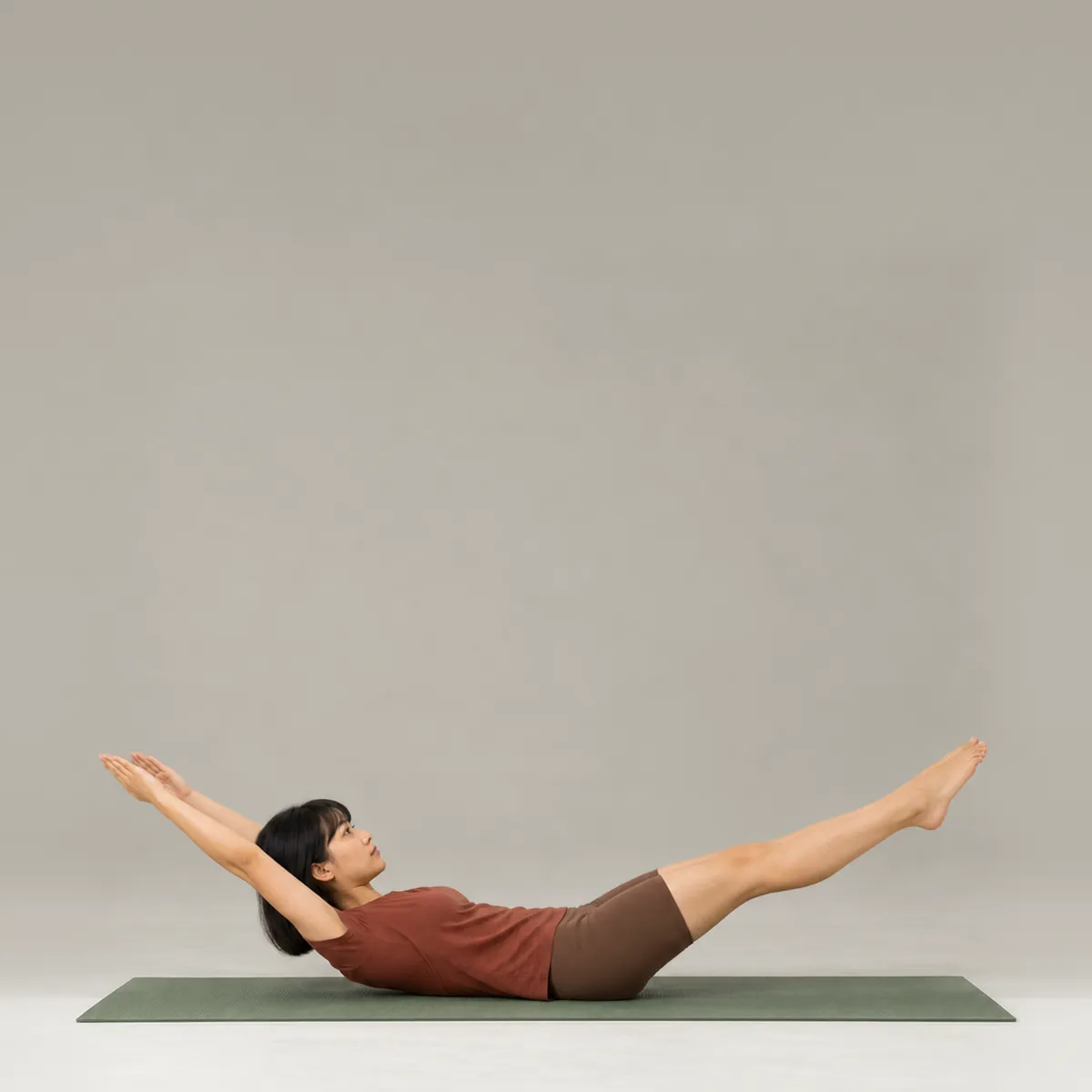
Adds both arms and both legs reaching at once, which asks for more control from the center.
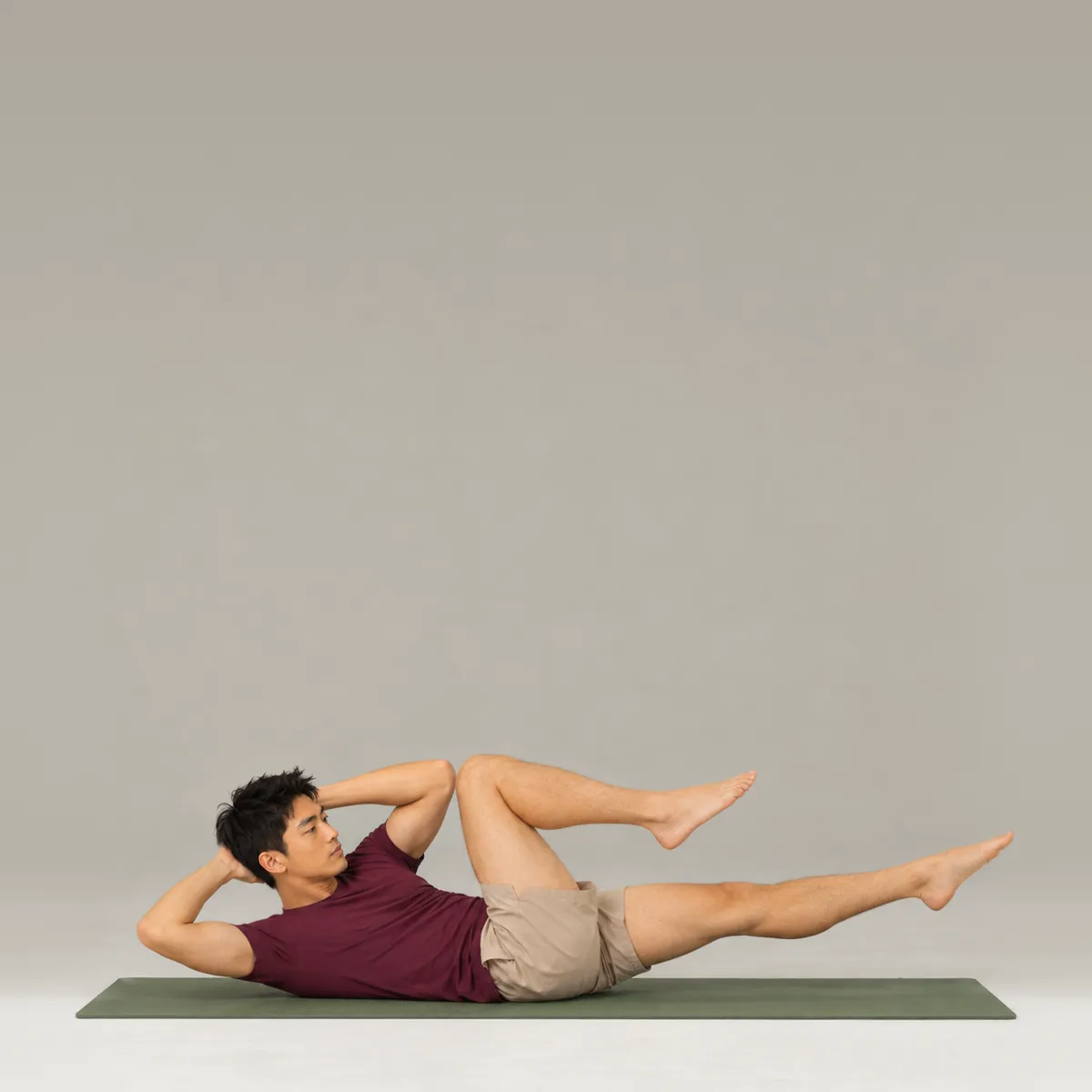
Brings in the obliques with rotation. Turn from the ribs instead of pulling on your neck.
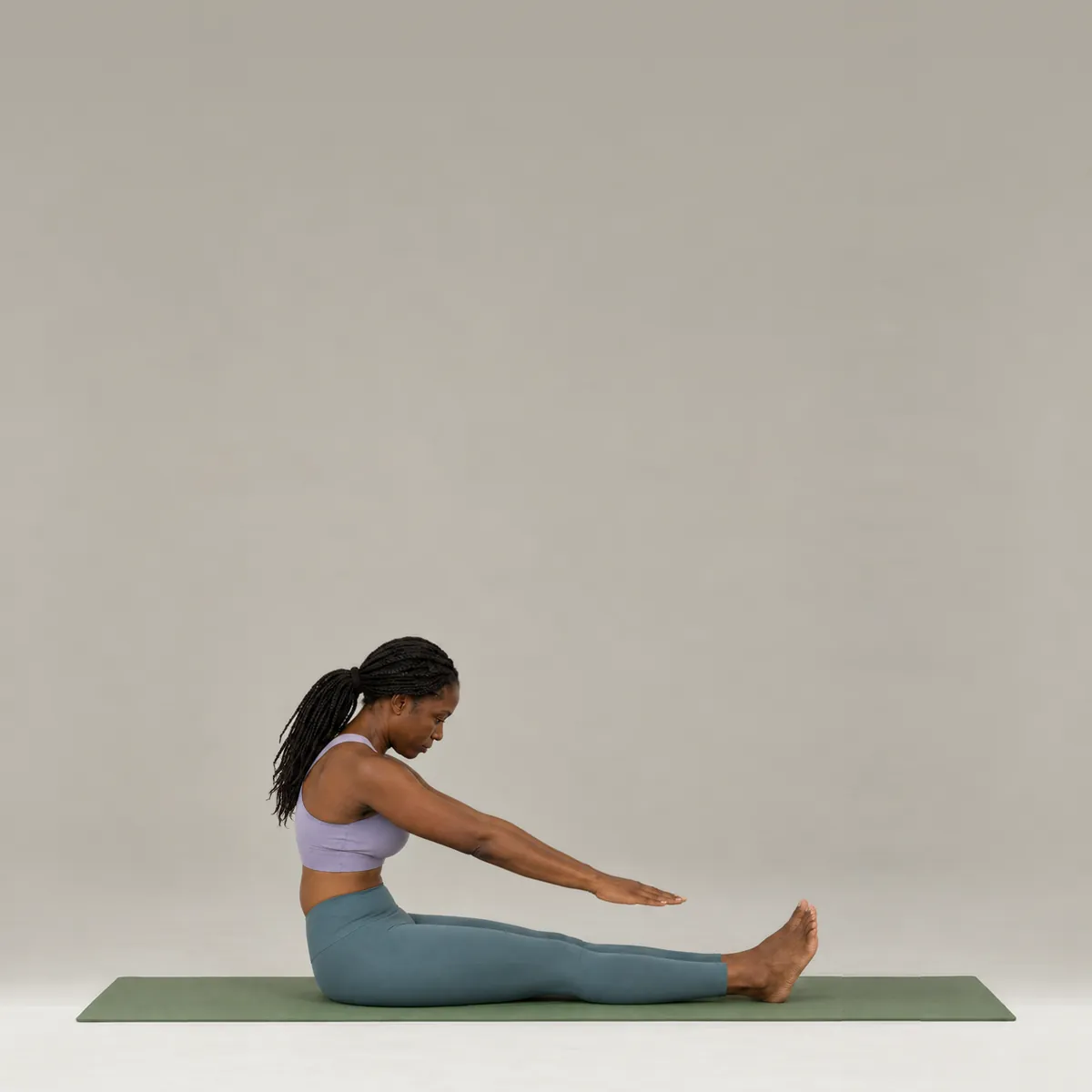
Moves the spine one segment at a time, which takes real abdominal control. Bend your knees to make it easier.
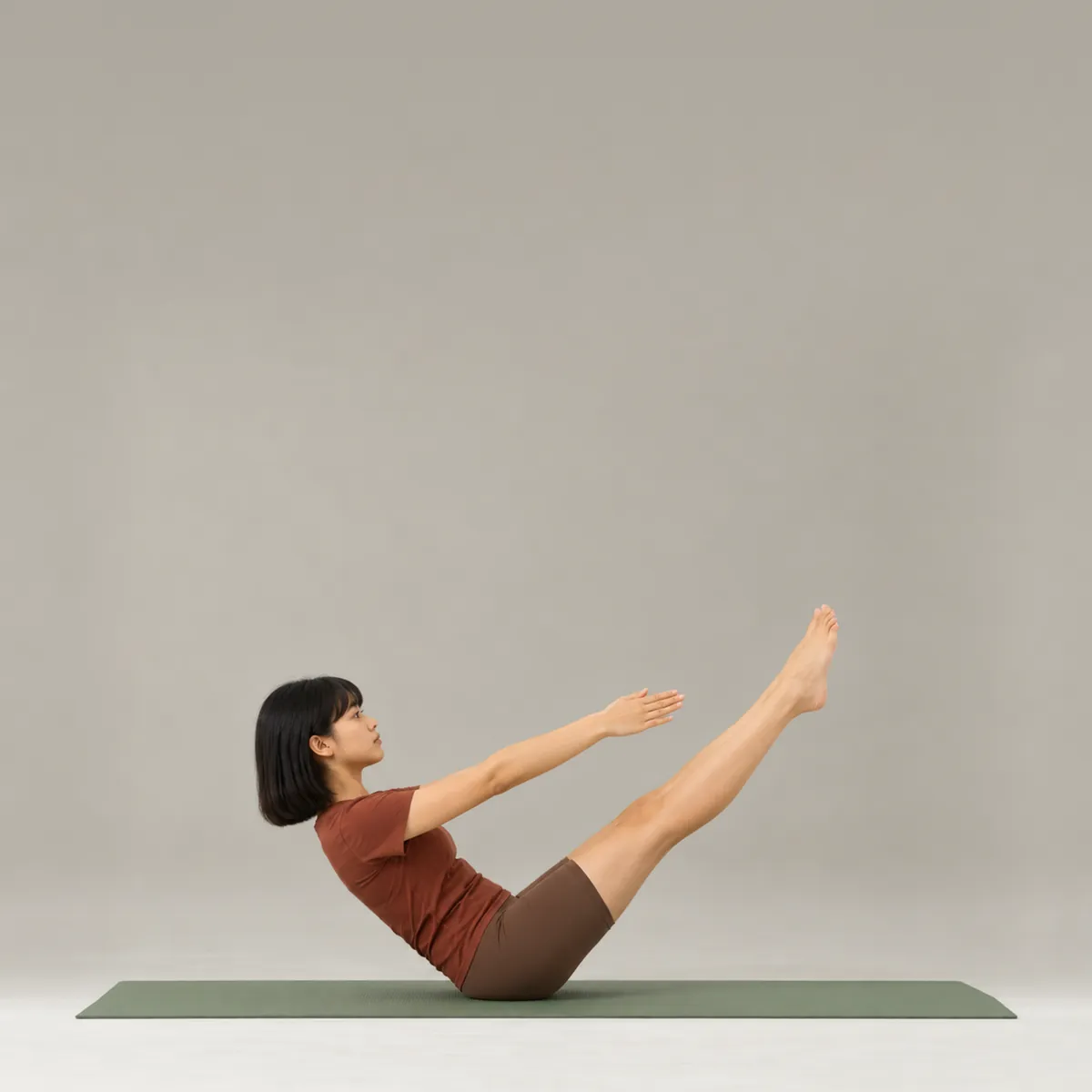
A challenge to work toward once the others feel steady. It combines balance, strength, and a long spine.
Free to download. Every practice needs Kova Plus, which starts with a 3-day free trial for new subscribers, then $9.99 a month or $89.99 a year in the US App Store.
See pricingDownload Kova on your iPhone or iPad today. It is free to download, and Kova Plus starts with a 3-day free trial for new subscribers.
Download on the App Store