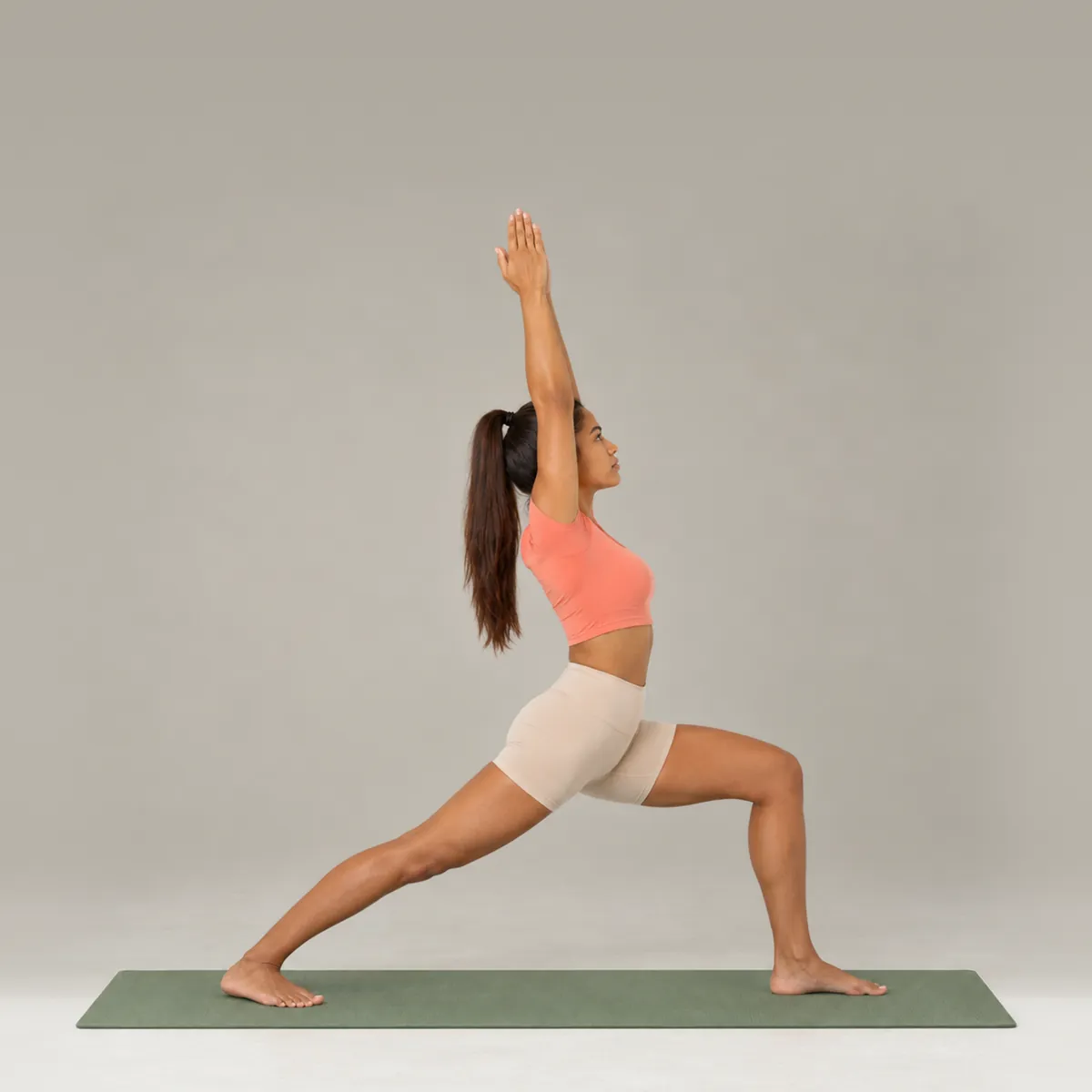
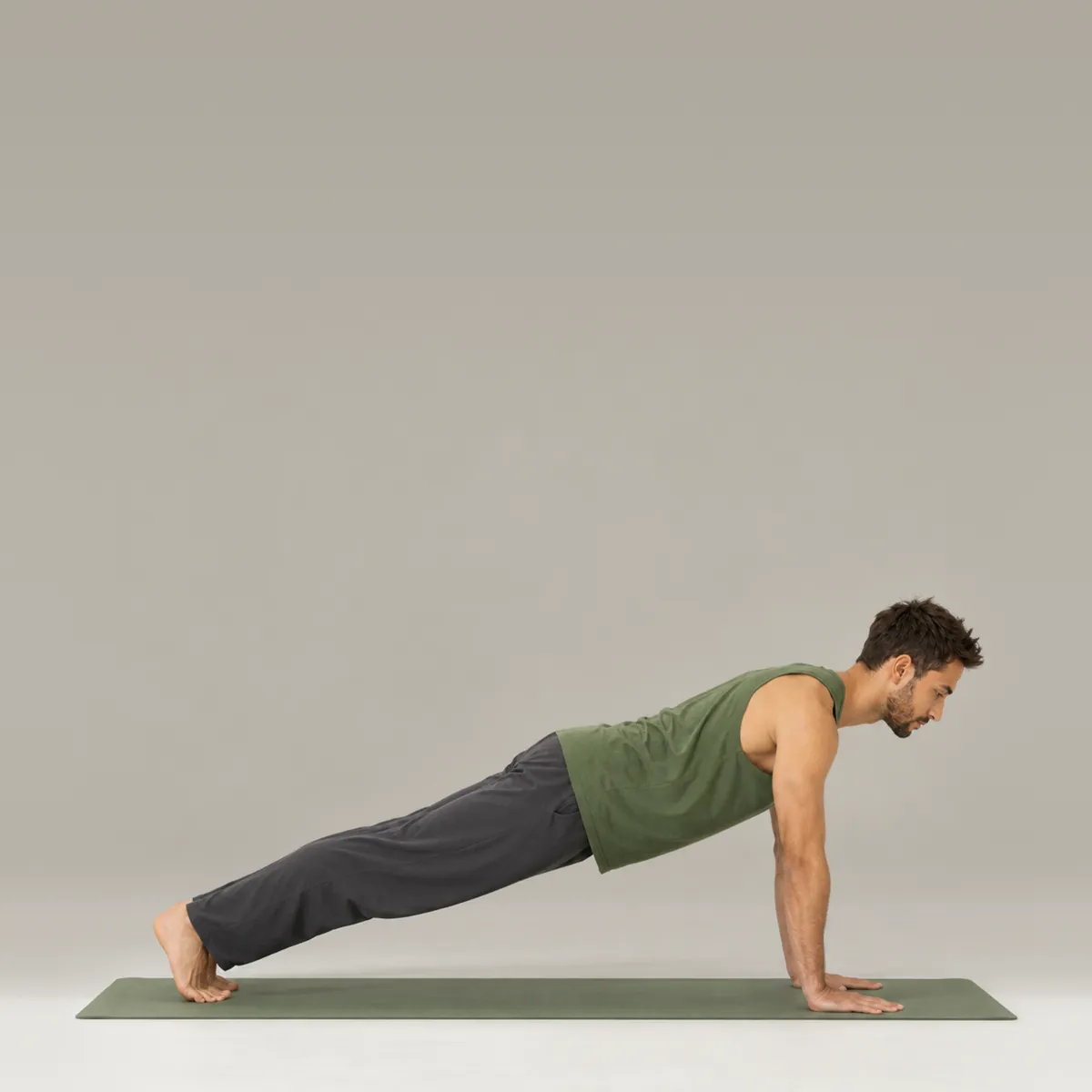
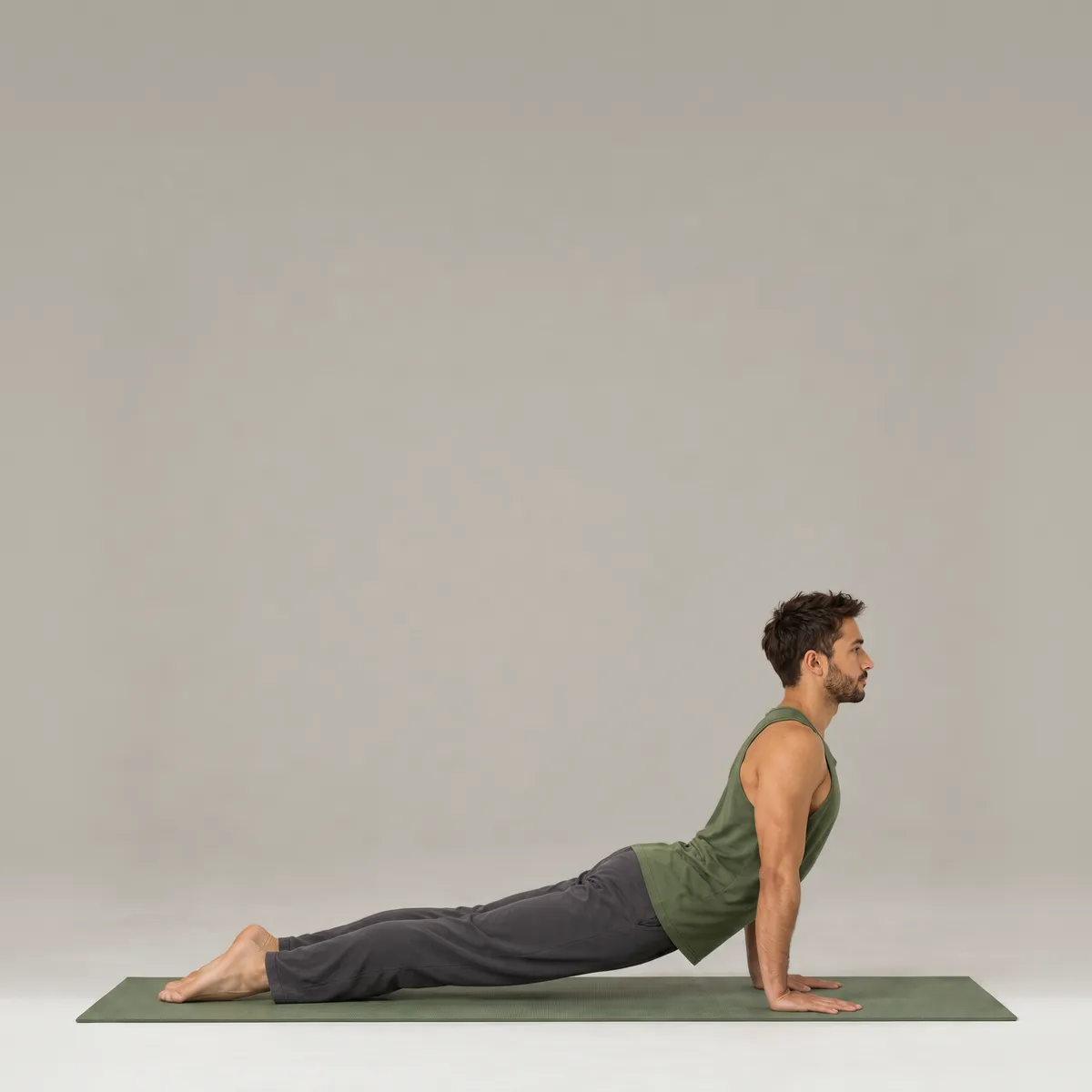
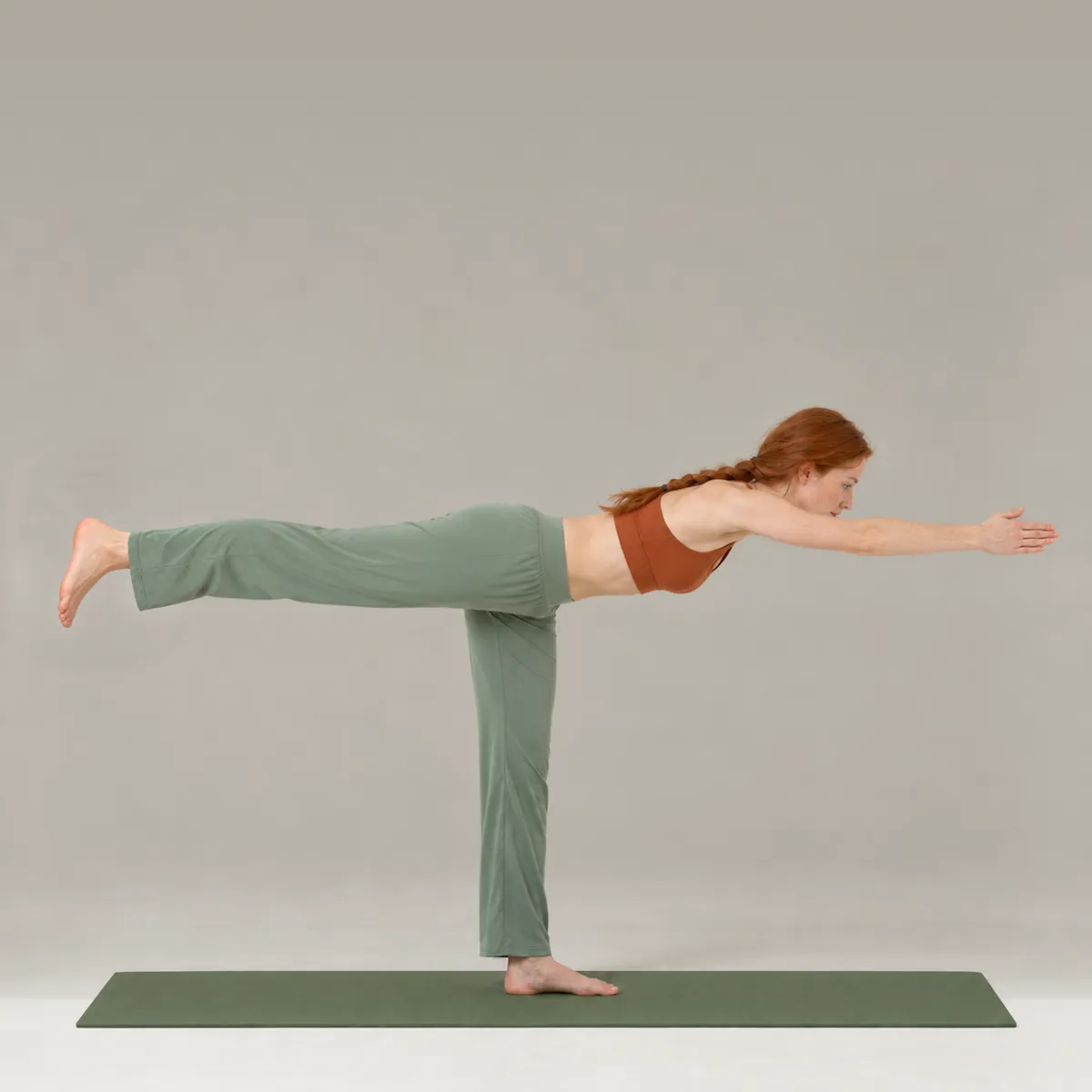
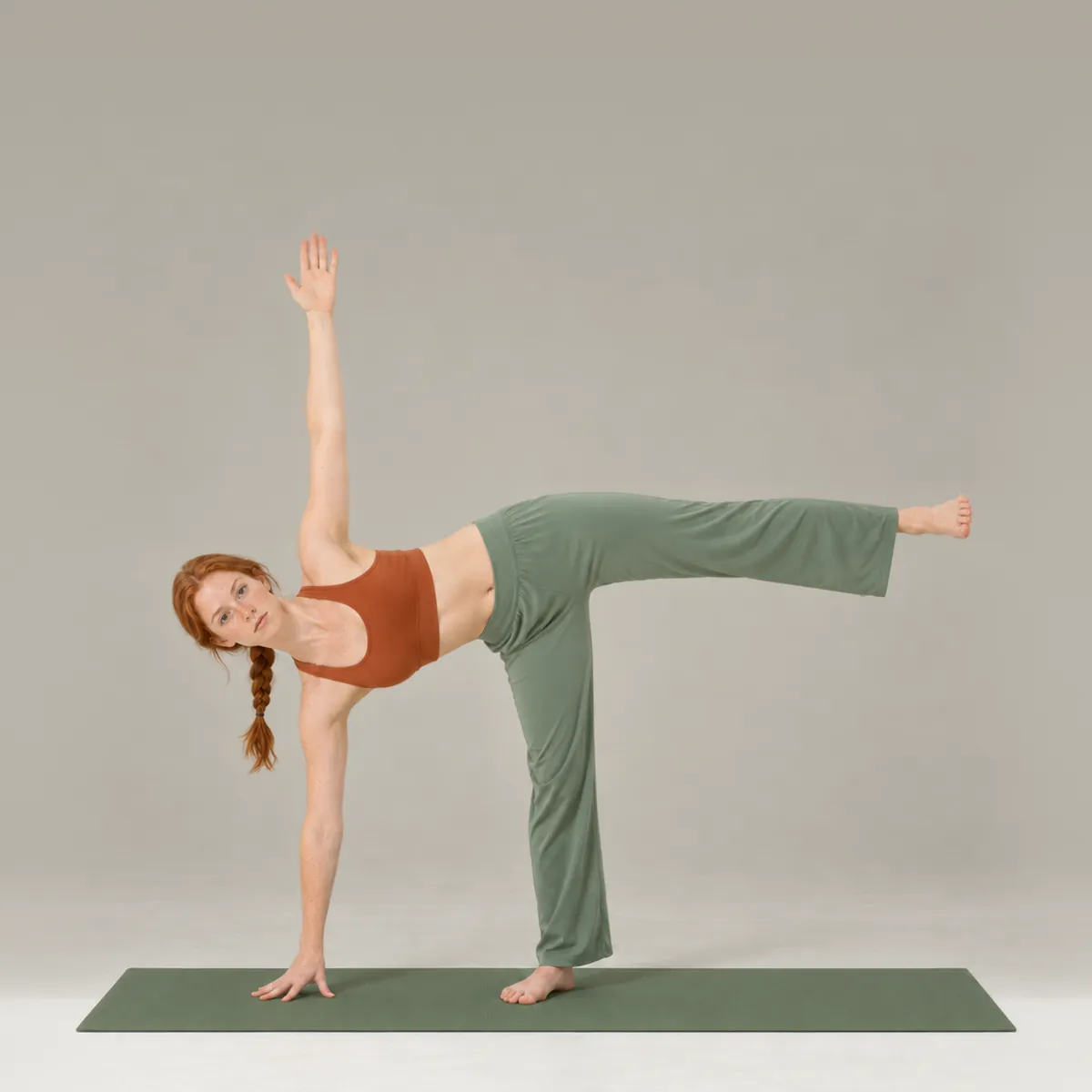
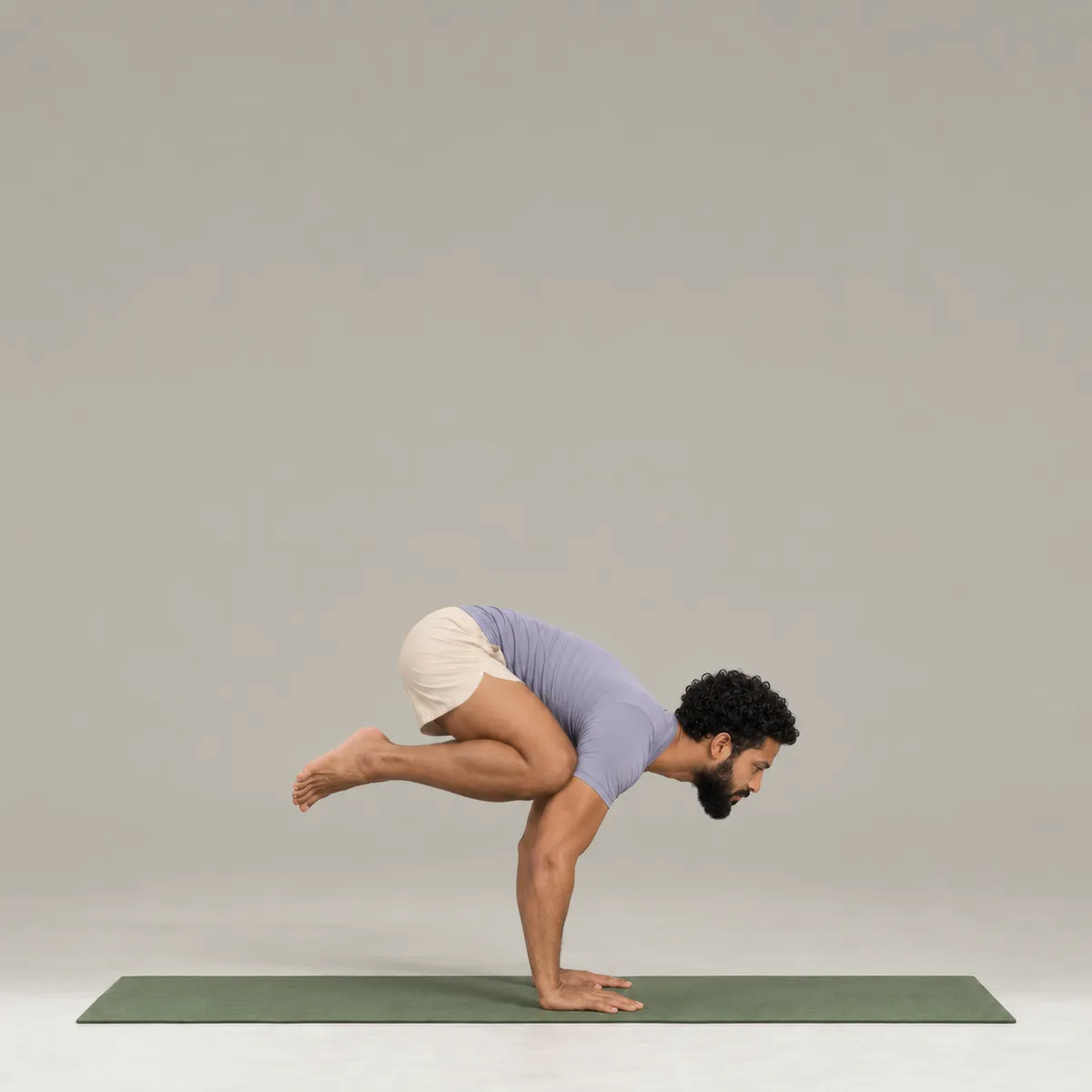
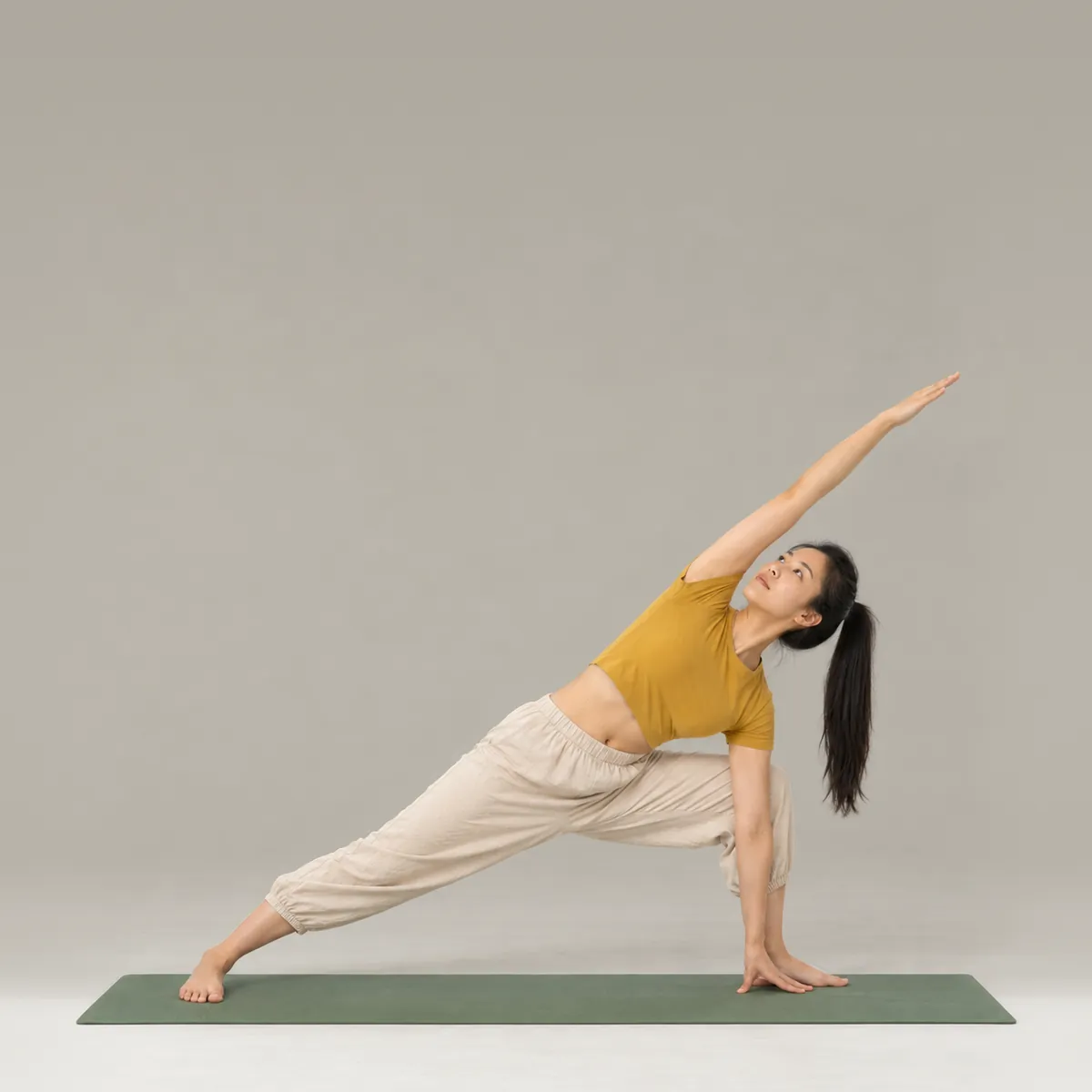
Form correction is most useful when it catches simple alignment drift before it becomes a habit: knees collapsing inward, shoulders lifting, hips rotating, or breath disappearing under effort.
Useful feedback is specific
A cue like "fix your posture" is too broad. A better cue names the adjustment: widen your stance, soften your shoulders, bend the front knee, or slow the exhale.
Specific feedback also needs restraint. If every second becomes a correction, the practice stops feeling like practice. The best cue is the one that changes the movement without pulling you out of your body.
Timing changes everything
A form cue before a transition can prepare you. A cue during a hold can help you settle. A cue after the movement may still teach you something, but it cannot help that repetition. Real-time coaching matters because alignment is alive while you move.
This is where AI feedback can be useful at home. It can watch for visible patterns that are easy to miss when you are focused on following the class: a rounded spine in a hinge, an uneven stance, or shoulders creeping up as fatigue builds.
Useful feedback also has limits
No app can feel your joints or understand pain the way a clinician can. Kova is designed to support awareness and alignment during home practice, not diagnose injuries.
- Use form cues as guidance, not judgment.
- Stop if a movement creates sharp pain.
- Choose modifications when breath or control disappears.
There are also things a camera cannot know: your history, your pain threshold, your energy level, and whether a sensation feels safe from the inside. That is why the app should leave room for your judgment.
The best outcome is better awareness
Real-time form correction should make you less dependent over time, not more. If a cue helps you feel the difference between bracing and support, you carry that awareness into the next pose, the next class, and eventually the moments when no app is watching.
Link to or cite this note
<a href="https://www.flowwithkova.com/blog/yoga-form-correction">What real-time yoga form correction can and cannot do</a> (Kova journal)