Engage your core. You will hear it in almost every pilates class and many yoga ones, sometimes several times a minute. Most people respond by sucking in their stomach, holding their breath, and gripping everything between the ribs and the hips. That is understandable, and it is usually not what the teacher means.
A well-engaged core is closer to a steady, supportive firmness that you can breathe through and move with. It is less about squeezing hard and more about keeping the ribs, spine, and pelvis organized while your arms and legs do something else.
What the core actually is
The core is more than the abdominal muscles you can see. It is usually described as a group of muscles that wrap around the trunk: the deep abdominals that circle the waist, the muscles along the spine, the diaphragm above, and the pelvic floor below. Together they work a little like a pressurized cylinder that helps keep the trunk steady.
That is why breath matters so much in core work. The diaphragm is part of the system. If you hold your breath, you may feel strong for a moment, but you lose the ability to stay steady while you keep moving.
What engaging your core is not
- Not sucking your belly button to your spine as hard as you can.
- Not holding your breath.
- Not flattening your lower back into the floor at all costs.
- Not clenching your jaw, shoulders, or glutes to compensate.
- Not a single setting you switch on at full power and hold for the whole session.
How to feel it in three steps
Lie on your back with your knees bent and feet on the floor. Place your fingertips on the lower sides of your belly, just inside the hip bones.
- Breathe in through your nose and let the ribs and belly widen gently into your hands.
- As you breathe out, let the lower ribs soften down toward the hips and feel a gentle firming under your fingers, as if you were zipping up a snug pair of jeans. Keep it light, around a third of your maximum effort.
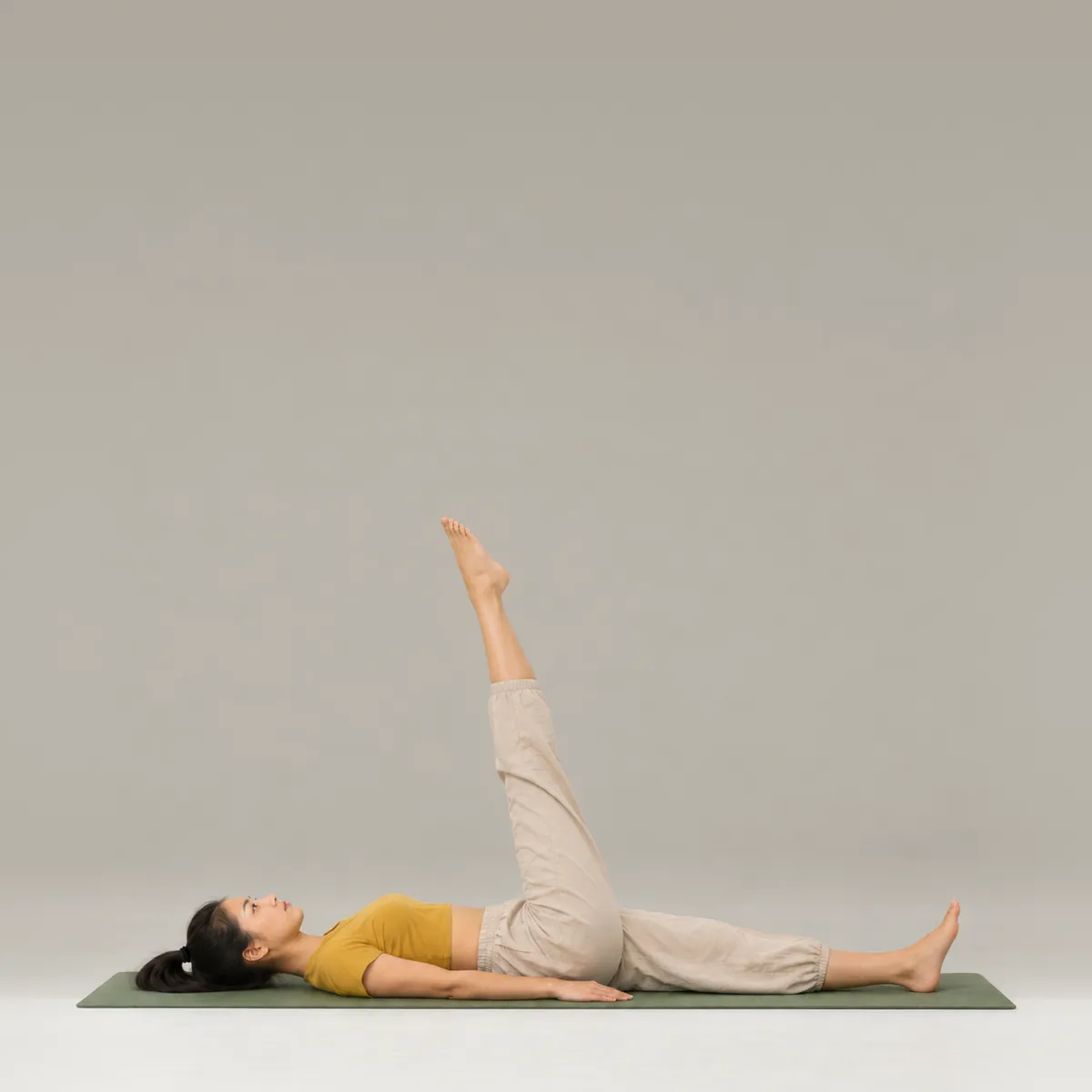
- Keep that light firmness as you breathe in again. Then, still breathing, slowly lift one foot a few inches off the floor and set it down. If your hips rock or your back arches, the core has let go. Reset and try again.
That light, breathable firmness is what most cues mean. Harder exercises need more of it, but the quality stays the same: steady, not rigid.
Where you will use it
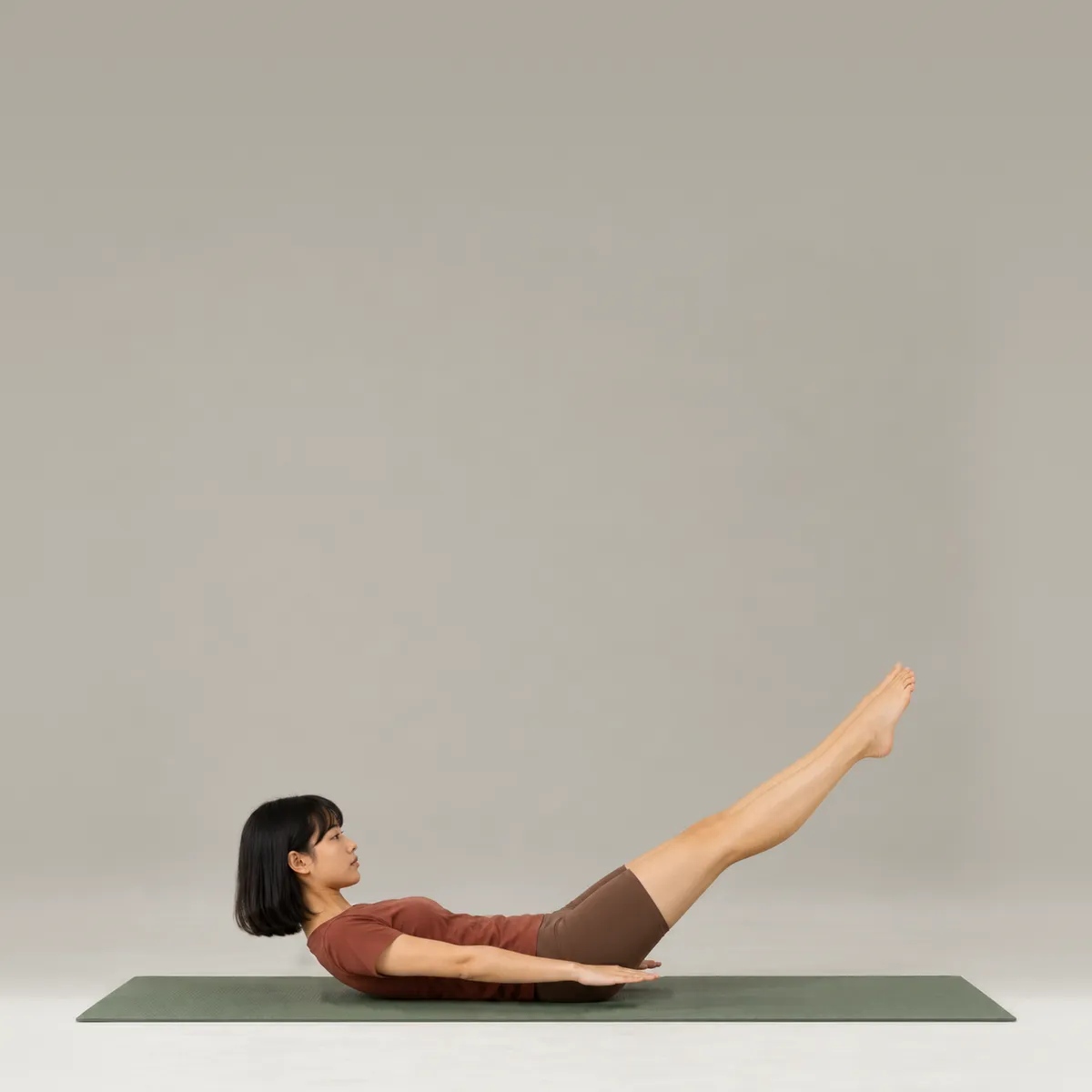
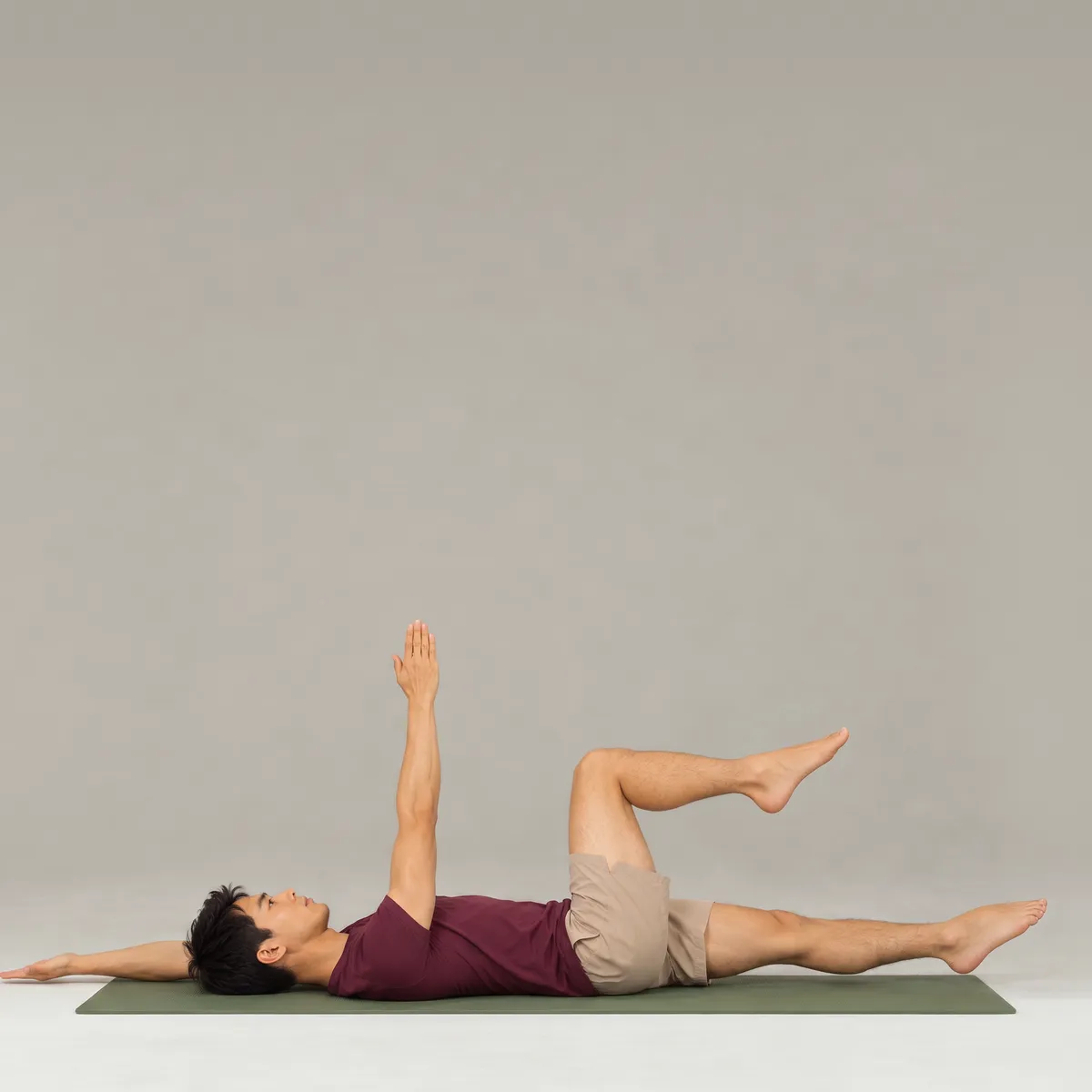
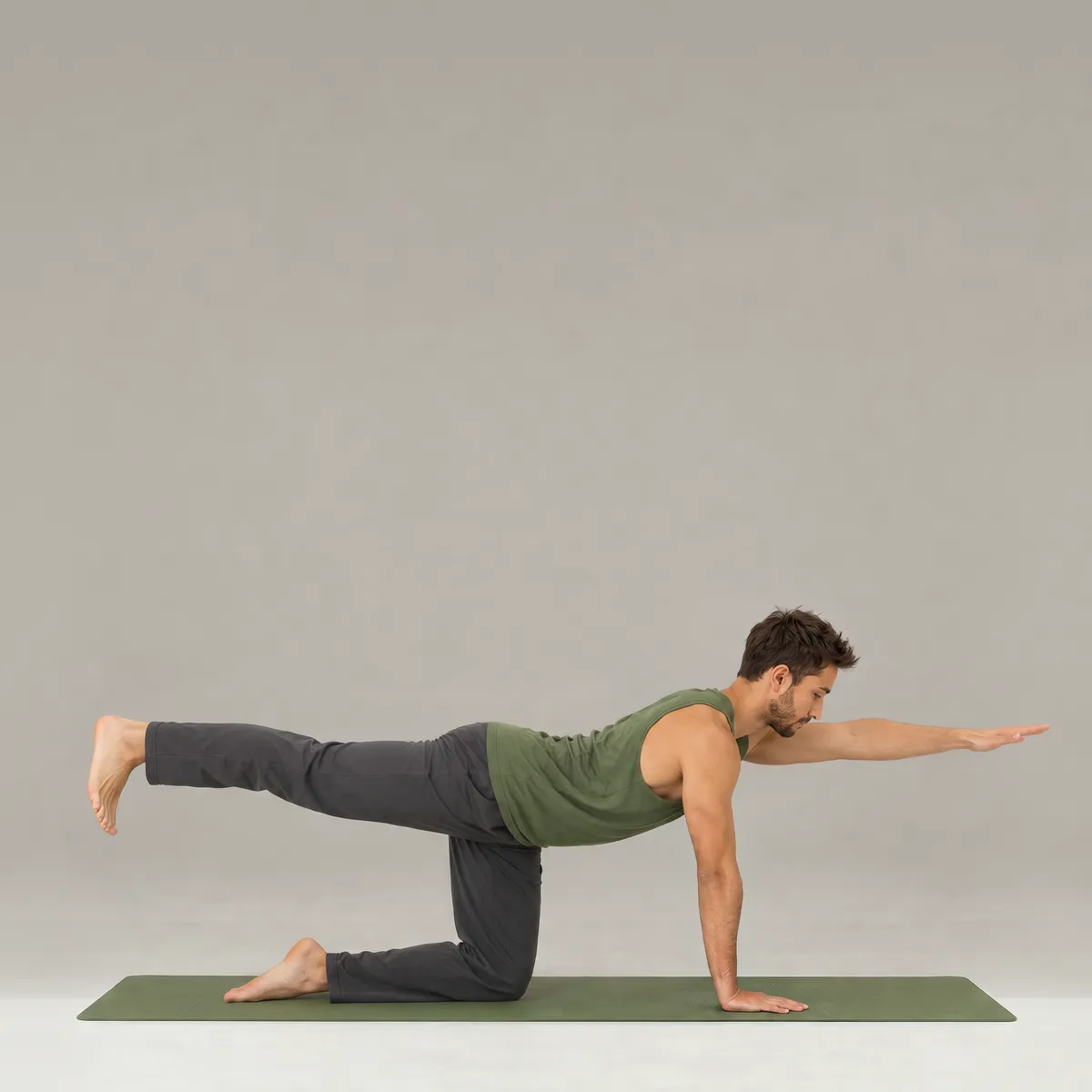
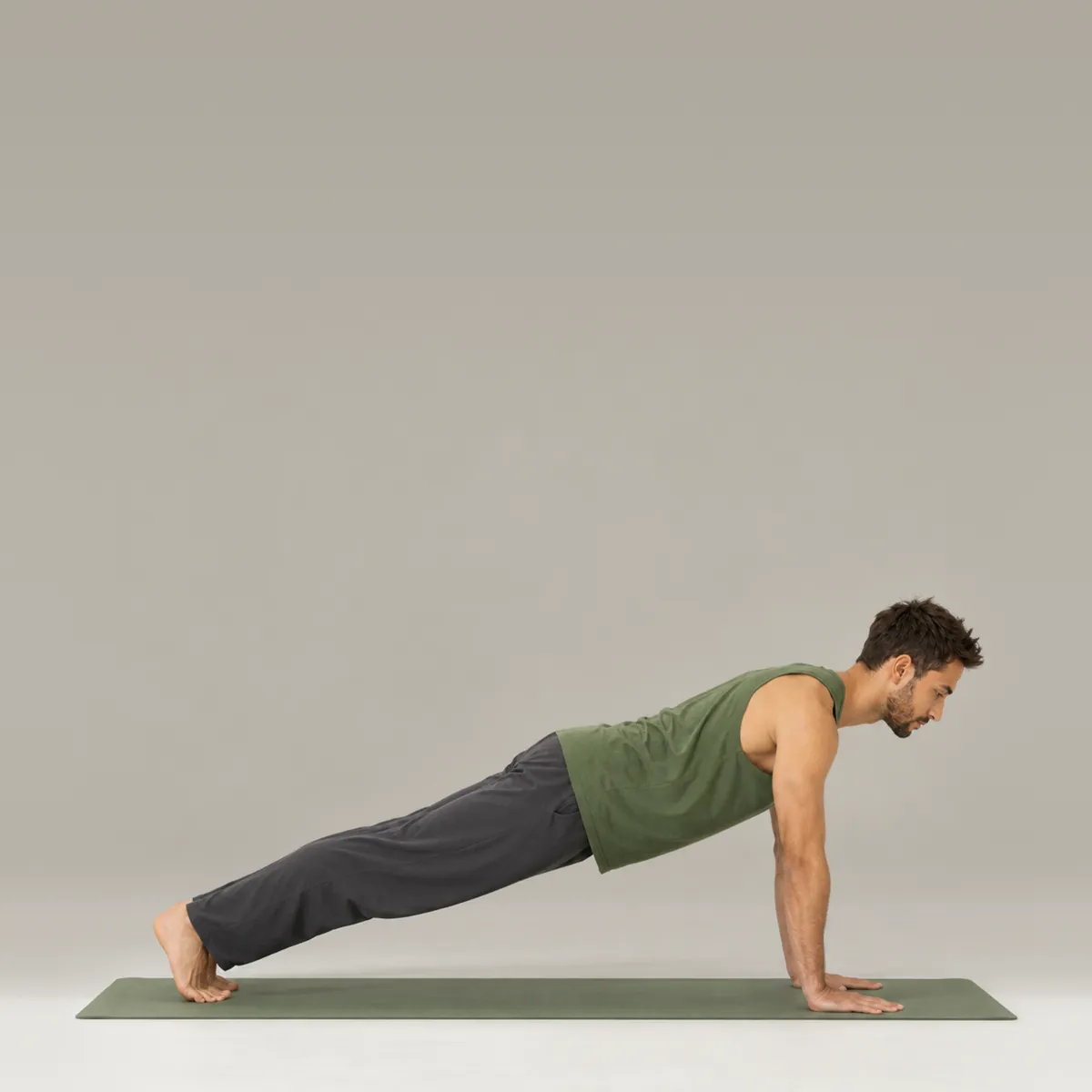
Dead bug is the clearest place to practice: the back stays steady on the mat while the opposite arm and leg lower. The hundred adds a curl of the upper body and a steady breathing rhythm. Plank asks for the same steadiness with gravity pulling the hips down, and bird dog asks for it on hands and knees while you reach.
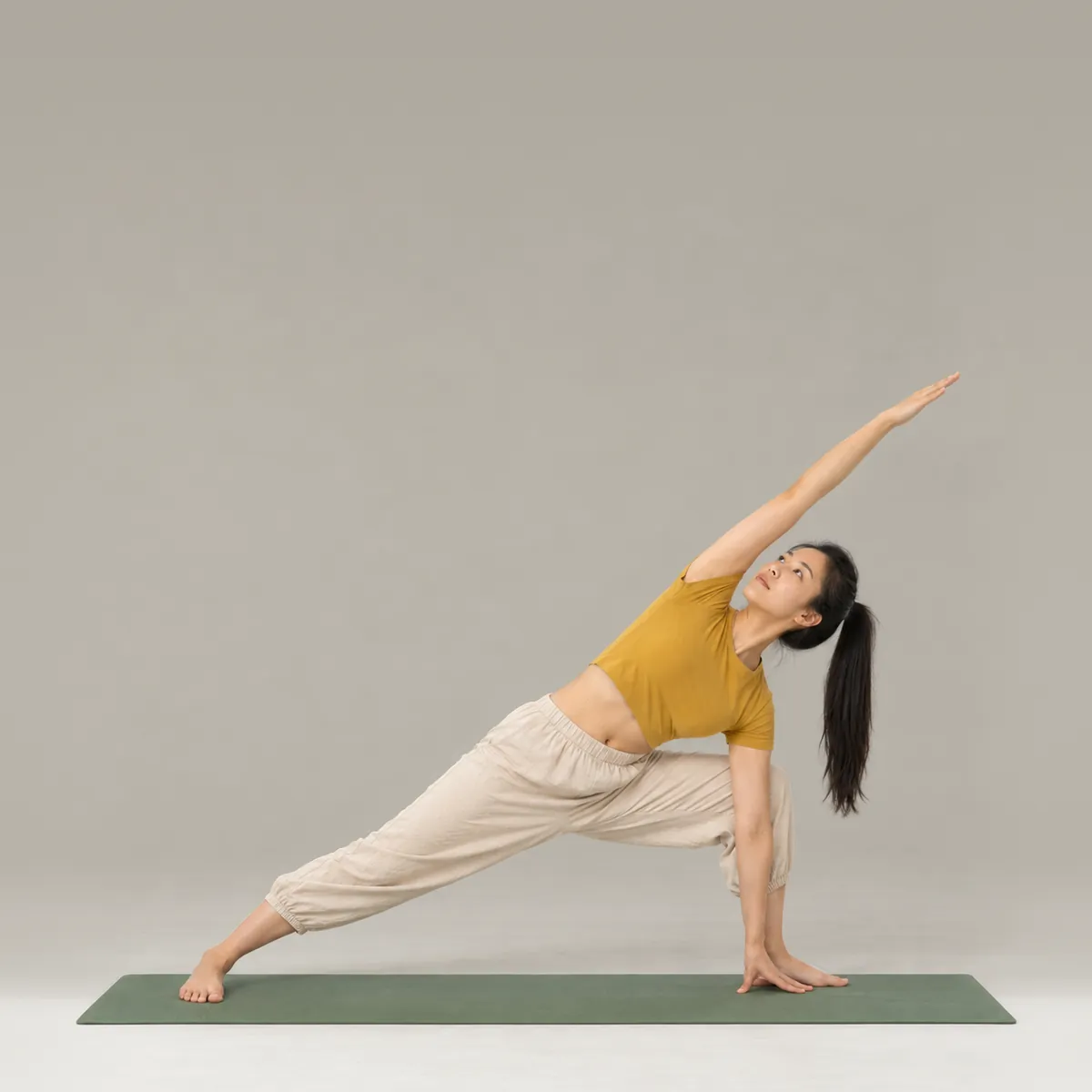
In yoga, the same idea shows up in standing balances like tree pose, in chaturanga, and in backbends, where a little core support keeps the lower back from taking all the bend. The core collection brings the yoga and pilates options together, and the 15-minute pilates core workout puts them in order.
Signs you are overdoing it
If your breath gets short or held, your neck strains, your face tightens, or you feel pressure bearing down into the pelvis, ease off. That bearing-down feeling deserves attention, especially after pregnancy or if you have pelvic floor symptoms, and a pelvic health physiotherapist can help you find the right approach. The same goes for diastasis recti, a separation of the abdominal muscles: check with a qualified professional before doing strong curling exercises.
Where Kova helps
Core control is hard to judge from the inside, because a back that lifts or hips that rock can feel the same as steady ones. Kova uses on-device pose tracking to notice visible changes in alignment while you hold an exercise and gives one calm spoken cue at a time. Breath pacing keeps the rhythm steady, so you are less tempted to hold your breath. Your camera feed never leaves your device.
A strong core does not grip. It steadies, and it keeps breathing.
Link to or cite this note
<a href="https://www.flowwithkova.com/blog/engage-your-core">Engage your core: what the cue actually means in pilates and yoga</a> (Kova journal)